Dunhuang Museum: Unlocking Silk Road History & Buddhist Art Treasures
Travel in Dunhuang
Private Gansu Tours Including Dunhuang
Hot China City Tours
Table of Contents
- 1. Dunhuang Museum Facts
- 2. Highlights: What to See in Dunhuang Museum
- 3. How to Get to Dunhuang Museum
- 4. Visiting Tips
- 5. Discover Dunhuang’s rich history with Easy Tour China
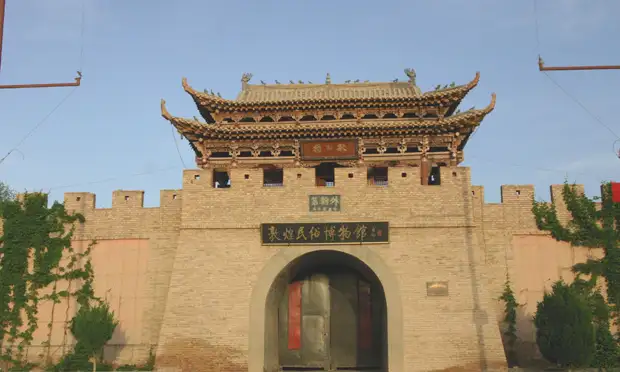
Dunhuang Museum is a three-storey museum located in Dunhuang City. It was set up in 1979 and the construction covers an area of 2400 square meters. As a comprehensive local museum, Dunhuang Museum exhibits the historical relics, folk arts local human and geographic features, and natural resources.
This museum mainly presents more than 10000 the Silk Road’s cultural heritage in the more than 2000 years’ history of Dunhuang. You can learn a lot about Dunhuang and the Silk Road in this informative museum. What’s more, there is replication of the Mogao Cave and some exquisite murals.
Dunhuang Museum Facts
Highlights: What to See in Dunhuang Museum
There is one Preface Hall and five Exhibition Halls. You can visit these halls one by one to know the history of Dunhuang from prehistoric times to the Qing Dynasty. Here are the must-see highlights in the museum during your Dunhuang tour.
>> Related reading: China’s Top 10 Museums
Hall 1: Dunhuang in the Han Dynasty
You can enjoy the spectacular scene of silk trade and understand the development of military, politics, economics and culture in Dunhuang in the Han Dynasty. It is a true representation of the life of Dunhuang people at that time and also shows how the Buddhism was introduced to the east.
Hall 2: Dunhuang in Wei, Jin, Southern and Northern Dynasties
This is a very important historical period in Dunhuang’s history. Its flourishing culture is well reflected by the unearthed tiles, soldiers’ implements and daily necessities.
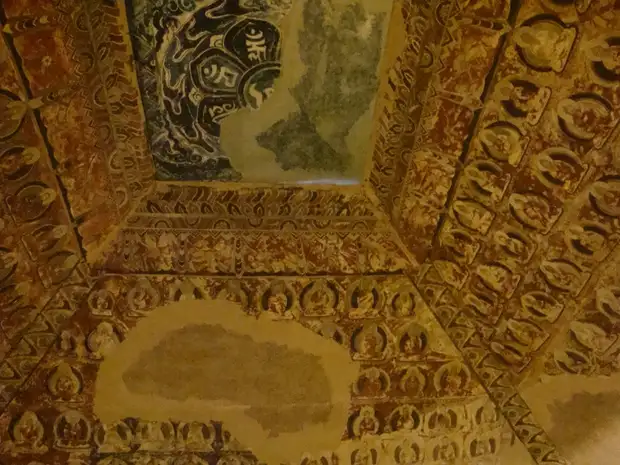
Hall 3: Dunhuang in Sui and Tang Dynasties
These two dynasties are the most glorious period of Dunhuang with social production, economy and culture reaching the summit.
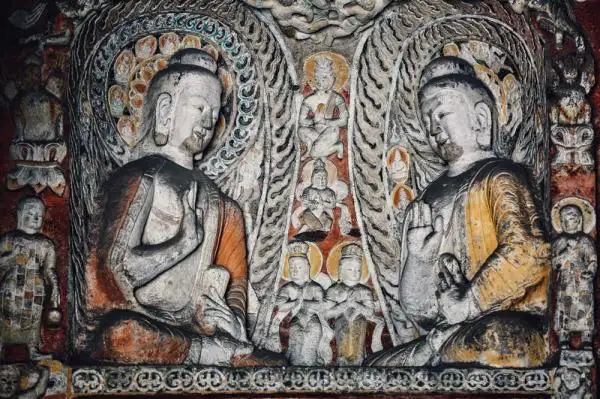
In this hall, you’ll see the replica of Cave 45 of Mogao Grottoes. It allows you to appreciate the exquisite Tang Dynasty sculptures and vibrant mural paintings in Dunhuang up close, showcasing the pinnacle of Buddhist art in Dunhuang.
Hall 4: Dunhuang from Five Dynasties to Ming
This part focuses on the history and culture of Western Xia, whose overall style is rough and bold. After the Song Dynasty, with the decline of the Silk Road, Dunhuang’s prosperous economy and culture were also on the wane. But in the Yuan Dynasty (A.D. 1271 - 1368), Dunhuang, the gateway to the Western Region, opened again. Here you can see some items at that period such as ancient manuscripts and documents from Five Dynasties.
Hall 5: Dunhuang in the Qing Dynasty
This hall tells visitors the development of Dunhuang and the discovery of the Sutra Cave in Mogao Grottoes in the Qing Dynasty. With many cultural relics and pictures, it focuses on the collection of Dunhuang scriptures to show people the artistic charm of Dunhuang studies.
>> Recommended 4-day Dunhuang Discovery Tour
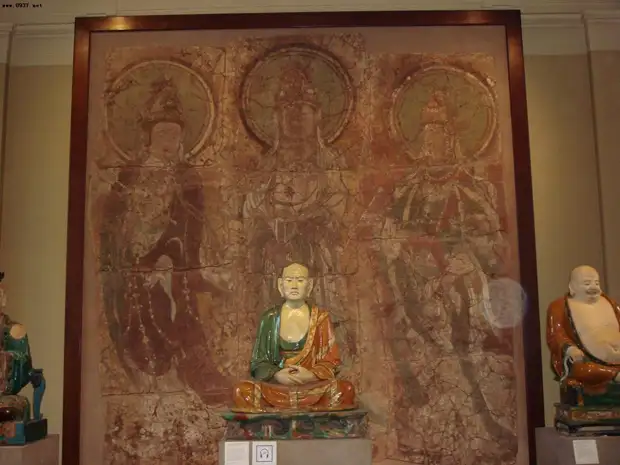
How to Get to Dunhuang Museum
The museum is conveniently located in Dunhuang’s city center. The easiest way to reach it is by public bus. You can take Bus No. 3 and get off at the “Museum Stop” (博物馆站).
Alternatively, you can also take a pleasant 20-30 minute walk from the city center to the museum.
Visiting Tips
>> Dunhuang Travel Tips: Things to Know Before You Go
Discover Dunhuang’s rich history with Easy Tour China
A visit to the Dunhuang Museum is just the beginning of your Dunhuang tour. For the things to do in Dunhuang, beyond the museum, a visit to Dunhuang is incomplete without exploring the nearby Yang Pass, Yumen Pass and the Yardang National Geological Park to experience both the natural landscapes and cultural beauty of Northwest China. Just let Easy Tour China handle the details while you immerse yourself in Dunhuang city. Here are some recommended Dunhuang itineraries.