Discover Yang Pass: The Silent Gateway of the Ancient Silk Road
Travel in Dunhuang
Private Gansu Tours Including Dunhuang
Hot China City Tours
Table of Contents
- 1. Dunhuang’s Yang Pass Facts
- 2. What is Yangguan Pass? A Journey Through History
- 3. Top Highlights of the Yangguan Ruins
- 4. Visiting Tips for Yang Pass
- 5. Explore the Western Frontiers with Easy Tour China
Yangguan Pass, built in Western Han Dynasty with more than 2,000 years’ history, is an important portal to the western regions and an vital mountain pass on the southern Silk Road as well as a significant bridge linking Northwestern China and the Eurasia.
It stands as one of China’s most poignant and historic ancient frontier pass sites.
While little remains of the original structure save for a solitary beacon tower and windswept ruins, a visit to the yangguan pass dunhuang offers a profound journey back in time. It is a place where the echoes of Han Dynasty soldiers mingle with the bustling energy of traders on the western regions trade route, all set against a backdrop of stunning desert scenery.
Dunhuang’s Yang Pass Facts
What is Yangguan Pass? A Journey Through History
The Yang Pass was built by Emperor Wu of the Han Dynasty as a key part of his efforts to consolidate frontier defense and secure the newly opened Silk Road gateway. In ancient Chinese geography, “yang” referred to the south, hence its name.
It was constructed to the south of the better-known Yumen Pass (Jade Gate Pass), these two passes formed the Great Wall western terminus, controlling access in and out of China proper.
And what is Yang Pass famous for? For centuries, this ancient frontier pass China was the last taste of home for diplomats, merchants, and soldiers heading west into the unknown territories of Central Asia. For example, the famous Buddhist monk Xuan Zang, whose journey inspired the classic novel Journey to the West, passed through Yang Pass on his return to Chang’an (Xi’an) from India. What’s more, In the “Beyond Yangguan” poem of Tang Dynasty poet Wang Wei, the line “West of Yang Pass, no old friends remain” introduced countless Chinese people to the landmark of Yang Pass, making it a household name across China.
Top Highlights of the Yangguan Ruins
The Yangguan Ruins scenic area is more than just a pile of old stones; it's a carefully curated experience that blends history, culture, and dramatic natural beauty. Here’s what you can't miss:
The Yangguan Pass Museum (阳关博物馆)
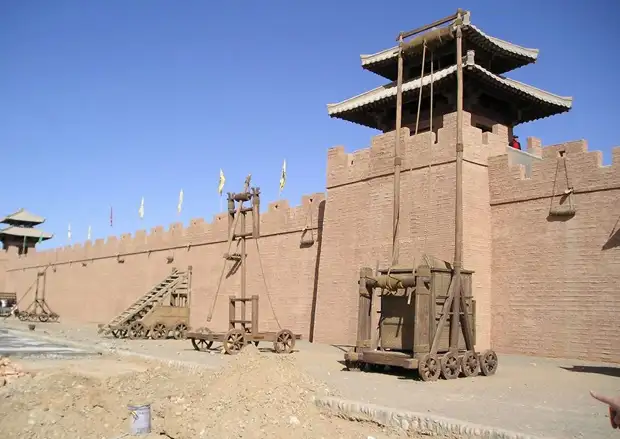
Opened in 2003, this is not just a museum but a recreated Han Dynasty-era fortress complex . Yangguang Museum is situated at the heart of the scenic area, 800 meters south of the Yangguan Beacon Tower ruins. Further south lies the Antique Beach, where the Yangguang ruins are located.
As you walk through the museum’s gate, you’ll enter a world of ancient barracks, a commanding officer’s mansion, and a bustling ancient street. Inside, the museum houses nearly 4,000 artifacts, including pottery, weapons, jade, and bronze items unearthed from the site, vividly illustrating the history of the two great Han frontier passes and the Hexi Corridor history.
The Ancient “Passport” Experience
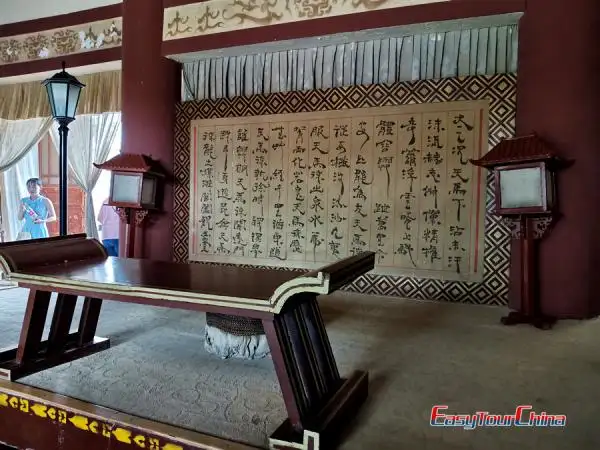
One of the most unique activities to do here is to participate in a simulated “ancient exit procedure” held by Yangguang Commandery (阳关都尉府) inside the Yangguan Museum.
At the museum complex, you’ll visit the “general's office” and receive a replica of a tongguan wendie (an ancient passport). Dressed in period costume, officers will check your documents before you symbolically leave China, just as travelers did over 1,000 years ago. This immersive activity makes the history of the Yangguan frontier pass come alive. This activity is perfect for bringing your children along to experience during your Dunhuang travel.
The Solitary Beacon Tower (阳关烽燧)
From the museum, a scenic avenue leads you towards the true highlight: the only remaining original structure of Yang Pass. Perched atop a reddish sandstone hill called Dundun Mountain, this lone Yangguan Great Wall ruins beacon tower has watched over the desert for over 1,000 years. Though eroded to about 4.7 meters tall, its silhouette against the vast sky is an iconic and deeply moving sight—a silent sentinel guarding the memories of a once-mighty ancient frontier pass China.
Visiting Tips for Yang Pass
A little preparation can make your visit to this Dunhuang historical site more comfortable and rewarding.
How to Get to Yang Pass from Dunhuang
Getting to Yangguan pass in Dunhuang is straightforward, though public transport is limited. Also, if you want to know what is the famous pass in China, you can combine your tour of Yangguan Pass with Yumen Pass, which is another famous pass in China.
The most convenient and popular option is to hire a car or taxi from Dunhuang. The journey takes about one hour. A round trip for a full day, often combining Yang Pass with Yumen Pass and other western sites, typically costs between CNY 300-500.
During peak season, some tour operators offer one-day buses covering the western route, which includes Yang Pass. You can check with local travel agencies in Dunhuang in advance.
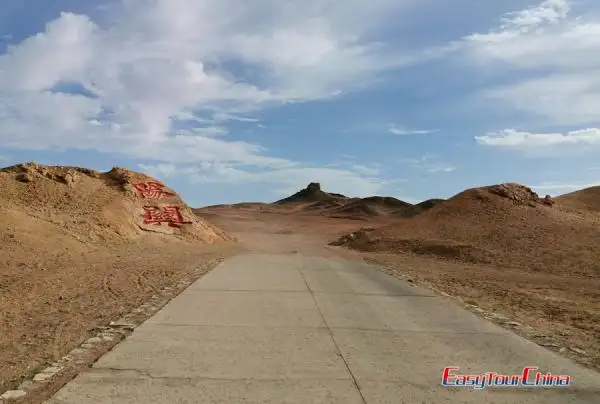
Best Time to Visit Yangguan
The best time to visit is during the mild and pleasant months of spring (April to June) and autumn (September to October). The weather is comfortable for walking, and the skies are often clear.
During summer time (July-August), here can be extremely hot, with ground temperatures soaring, making midday exploration challenging.
>> Learn more about Dunhuang Weather and Best Travel Time
Photography Tips for the Yangguan Ruins
The absolute best time for photography is during sunset. The low-angle sun casts a warm, golden light on the Yangguan Ruins, turning the desert into a “sea of fire” and creating dramatic shadows. The beacon tower is the perfect subject.
For early birds, sunrise is equally spectacular and less crowded. You would need to stay overnight near the site or in Dunhuang city.
What’s more, the fine desert sand can be deadly for camera equipment. Remeber to bring a protective cover or a plastic bag to shield your camera when you’re not shooting.
>> Learn more about Dunhuang Travel Tips
Explore the Western Frontiers with Easy Tour China
Stepping onto the sands of Yangguan Pass is like walking through the pages of a history book, where every grain of sand holds a story of farewell and adventure. It is an essential stop on any Silk Road attractions in Gansu tours and pairs perfectly with a visit to the Mogao Grottoesand the Yardang National Geological Park. Just let Easy Tour China be your China Silk Road travel agency. Here are some recommended Dunhuang itineraries.