Yumen Pass: A Poetic Han Dynasty’s Frontier on the Silk Road
Travel in Dunhuang
Private Gansu Tours Including Dunhuang
Hot China City Tours
Table of Contents
- 1. Dunhuang’s Yumen Pass Facts
- 2. What is Yumen Pass? A History beyond the Yumen Guan
- 3. Top Highlights at Yumen Pass Scenic Area
- 4. Visiting Tips for Yumen Pass
- 5. Explore the Western Frontiers and with Easy Tour China
Yumen Pass, situated in the Gobi Desert eighty kilometers northwest of Dunhuang County town in Gansu Province, is a strategic fort on the ancient Silk Road and was the one road connecting Central Asia and China. Yumen menas Jade Gate in Chinese, it earned this name because the jade of the Hetian Nephrite in Xinjiang region was transported to Central China through this frontier pass during the ancient time.
Yumen Pass together with Yang Pass, is the two crucial gateways protected Dunhuang against invasion from the west about two thousand years ago. Since the spread of the classic line, “Beyond Yumen Pass the breath of spring has never crossed” wrote by poet Wang Zhihuan of the Tang Dynasty (618-907), Yumen Pass has become world-renowned. The ruins now recognized as the best-preserved, the most complete type and a UNESCO Cultural Property on the “Silk Road”by recording the traffic management system and the Great Wall defensive system of Han Dynasty.
A visit here today offers you a profound and moving connection to China’s rich history, set against a backdrop of stark and breathtaking desert scenery. Whether you are a history enthusiast or a traveler seeking the soul of the ancient Silk Road, Yumen Pass will always be an unforgettable destination.
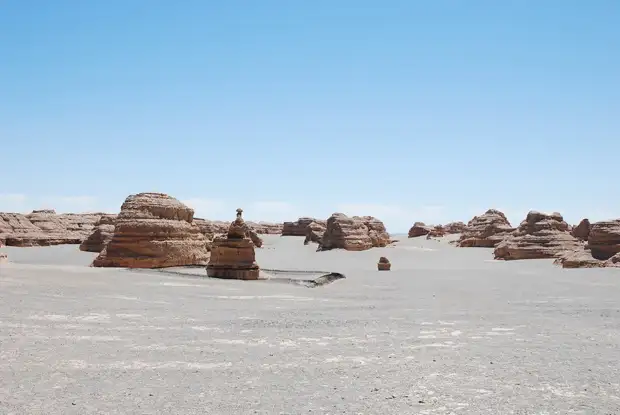
Dunhuang’s Yumen Pass Facts
What is Yumen Pass? A History beyond the Yumen Guan
As the Chinese empire pushed its influence westward along the Silk Road, it was crucial to secure its new territories. Emperor Wu established two strategic military outposts: Yumen Pass to the north and Yang Pass to the south. These were the last garrisons of the Han Empire, serving as the primary Silk Road military pass and a formidable Han Dynasty frontier. They were the gatekeepers of the Silk Road gateway, controlling all trade and military movement between the Central Plains and the Western Regions.
In the many years followed during Han Dynasty, Yumen Pass witnessed a large number of great historical events, including the brave generals’ suppression of frontier harassment, Zhang Qian’s second contact of East-to-West, splendid development of Dunhuang culture, flourishing trade and culture exchange between China and Eurasia.
Top Highlights at Yumen Pass Scenic Area
The Yumen Pass ruins are not a single structure but one of the ancient military passes in China. Here are the highlights of Yumen Pass in China.
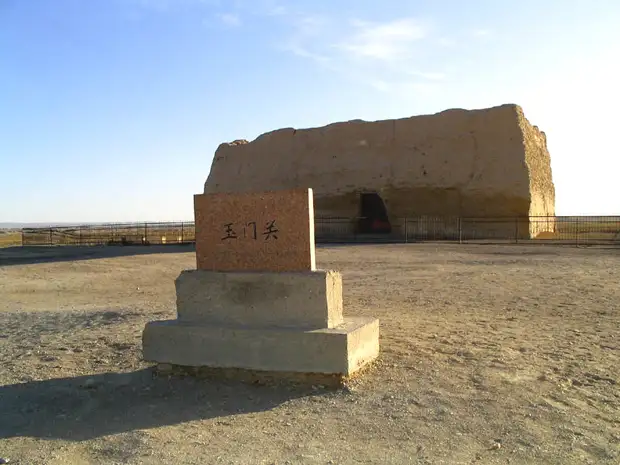
The Small Fangpan Castle Ruins (小方盘城)
This is the iconic heart of Yumen Pass, often simply referred to as the pass itself. This small, square rammed-earth fortress was the headquarters of the commanding officer. Standing about 10 meters (32 feet) high, its weathered walls have survived centuries of wind and sand. There is a east-west wooden path in the north slope, which was former channel and postal route from central plains to the west regions.
As you walk around its base, you can almost hear the echoes of ancient soldiers and imagine the caravans passing through its gates. You can also clime up to the top through the bridleway in the northeast corner. Two gates are opened in the west and north for interior sightseeing.This will be your ideal shot for a Yumen Pass photo.
The Han Dynasty Great Wall Ruins
One of the most spectacular features of the area is the adjacent Han Dynasty Great Wall. The Great Wall of Han Dynasty was built much earlier than the nowadays famous Mutianyu, Badaling, Jinshanling, Great Walls of China (there all are part of Ming Dynasty Great Wall). The older Great Wall is situated about 6 km west of Small Fangpan Castle, nearly 8 minutes’by the scenic tourist bus.
Here, a few dilapidated walls on the soft Gobi and gravel hills are the only remains you can see after over 2, 000 years’ erosion. Though the site has no many things to see, the objects in the old days were primary military defensive system and a outstanding miniature of traditional defense project in northwest China.
>> Related reading: Which Dynasty Built the Great Wall? | 6 Most Famous Stories of the Great Wall of China: one of them happpened in the Yumen Pass
The Big Fangpan Castle (大方盘城)
Big Fangpan Castle, also calledHecangcheng Relic Site (河仓城遗址), is built in Western Han Dynasty. It it located about 15 km east of the Small Fangpan Castle, about 30 minutes by car. The Hechangcheng Relic Site is the oldest, largest quartermaster depot along the northwestern Great Wall ruins in Gansu.
At this spot, what you can see is a south-north oblong group of earth mounds, where most walls has collapsed, except the north wall in a relative better condition. Built near the now-dry Shule River, its strategic location and unique design, featuring three parallel rows of granaries, highlight the immense organizational effort required to maintain a presence on the Silk Road.
Stargazing at the Gobi Desert Scenery
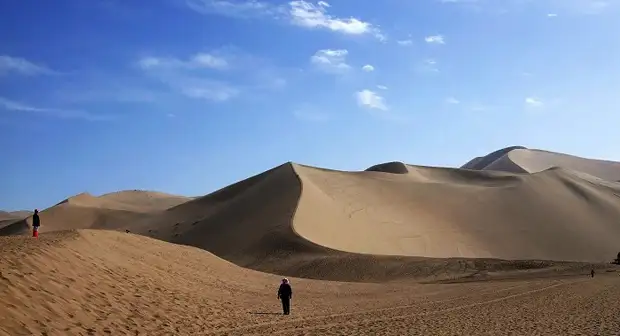
The Gobi Desert, located right next to Yumen Pass, is an excellent spot for stargazing in northwestern China. After exploring the scenic area, you can drive 2 kilometers into the desert beyond Yumen Pass to photograph the Milky Way with the Han Dynasty Great Wall ruins in the foreground.
Spring and autumn are the best seasons for stargazing, particularly from September to November and December to February. Avoiding nights with a full moon will enhance your stargazing experience the most.
>> Related reading: Top 5 Deserts in China
Visiting Tips for Yumen Pass
Here are essential tips to ensure a smooth and rewarding experience.
How to Get to Yumen Pass from Dunhuang
How to visit the Yumen Pass from Dunhuang? In fact, there is no public bus directly to Yumen Pass, you need to arrange your transportation in advance.
The most convenient way is to rent a car or take a taxi. A round trip from Dunhuang city’s downtown to the Yumen Pass scenic area typically costs between CNY 400-500 and takes about 1.5 to 2 hours on the way, allowing you to set your own pace and easily combine the visit with other nearby attractions like the Yardang National Geological Park.
Best Time to Visit Yumen Pass
The best seasons to visit the Yumen Pass in China are spring (April to June) and autumn (September to October). During these seasons, it offers the most pleasant weather, with mild temperatures and clear skies, which is perfect for your Dunhuang tour.
>> Learn more about Dunhuang Weather & Climate
Essential Packing List
Remember to bring far more water than you think you’ll need. The Gobi desert’s air is incredibly dry. And take your sunscreen, a wide-brimmed hat, and sunglasses.
What’s more, there are no formal restaurants within the scenic are but only a few small stalls. You should pack some energy bars, fruit to prevent low blood sugar .
Last but not least, remember to dress in layers and wear sturdy, comfortable walking shoes. A windproof jacket is essential, even in summer.
>> Learn more about Dunhuang Travel Tips
Explore the Western Frontiers and with Easy Tour China
Stepping onto the sands of Yumen Pass is like walking through a living history book. It is an essential stop on any travel to Dunhuang along the Silk Road attractions in Gansu. A visit to Dunhuang is incomplete without exploring the other spots like the Crescent Lake and the Singing Sand Dunes and the Dunhuang Museum to experience both the natural landscapes and cultural beauty of Northwest China. Just let Easy Tour China handle the details while you immerse yourself in Dunhuang city. Here are some recommended Dunhuang itineraries.