Chinese Festivals
That Leave You Best Food, Much Excitement and In-depth Experience of Local Culture
China has exceptionally rich and varied cultural heritages that are showcased in a wide spectrum of festivals. Most of the traditional Chinese festivals that has been celebrates for over 1000 years unveils the history and fantasy of this mysterious Oriental country.
Whether you call China home or are just traveling around, going to Chinese festivals is a definitely one of the best ways to immerse yourself in Chinese culture. Surprisingly, there are hundreds of spectacular traditional Chinese festivals that celebrate in different areas of the country throughout a year. These festivals are epic events and celebrate everything from religion, gods, music, dance, food, kites and fire, to happiness, love and harvest.
Ancient China Festivals
Here are the greatest and most celebrated traditional festivals in China, including the top four ancient China festivals: Chinese New Year, Lantern Festival, Qingming Festival and Mid-Autumn Festival, which have their origin in traditional Chinese culture.
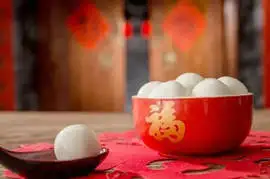
Chinese Traditional Festivals
Get to know the old and numerous traditional Chinese festivals, as well as the unique origins, foods, customs and activities of each festival. Embrace Chinese culture, history and traditions!
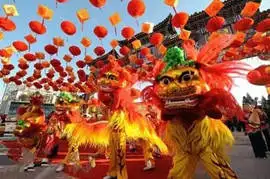
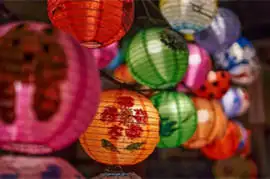
China Lantern Festival
Lantern Festival is one of the most important traditional festivals in China and has been widely celebrated by overseas Chinese. Learn when and how to celebrate Lantern Festival in China, and Tangyuan - food for the festival.
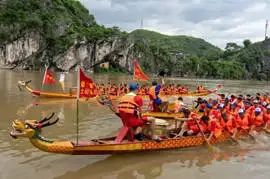
The Dragon Boat Festival
Dragon Boat Festival falls on the 5th day of the 5th lunar month in Chinese calendar, and has been celebrated for over 2,000 years. Know the festival traditions, history, and special foods for Dragon Boat Festival.
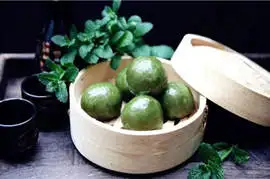
The Tomb Sweeping Festival (Qingming Festival)
Qingming Festival in spring celebrates the rebirth of nature. It is time for planting, outdoor activities, and also for sweeping tombs and offering sacrifices to ancestors, hence also named Tomb Sweeping Festival.
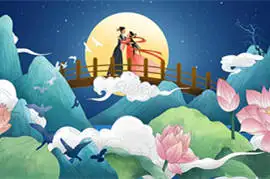
The Double Seventh Festival
Here comes the China Valentine's Day! It falls on the 7th day of the 7th lunar Chinese month. Read more to know the beautiful romantic story of the Double Seventh Festival, and how we celebrate the "Valentine's Day" in China.
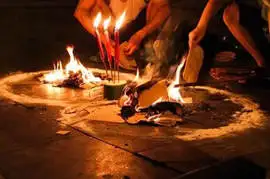
China Ghost Festival
Next we have Chinese Ghost Festival, which is also named Hungry Ghost Festival. At that day, the dead would return to visit their living relatives, and receive the "house", "paper money" and "clothes" burnt for them.
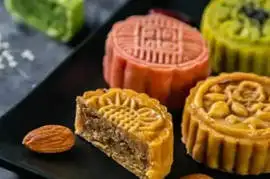
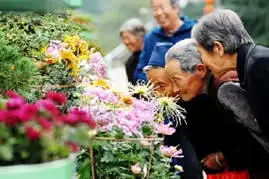
The Double Ninth Festival
This is the festival in China for the elderly. It falls on the ninth day of the ninth month of the Chinese lunar calendar. People also usually climb mountains and enjoy the flourishing chrysanthemum to celebrate the Double Ninth Festival.
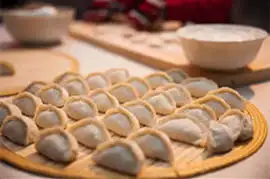
China Winter Solstice Festival (Dongzhi)
All Chinese, Japanese, Koreans, and Vietnamese celebrate Winter Solstice Festival. In China, it is also known as "little Spring Festival", when people in North China eat dumpling, and people in South China eat tangyuan.
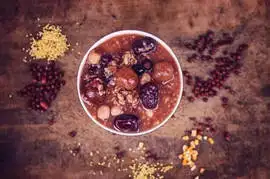
Chinese Laba Festival
Another ancient festival in China, it marks the official start of China New Year, with some traditional activities and celebrations. Eating Laba rice porridge is one of the must-eat food for Laba Festival.
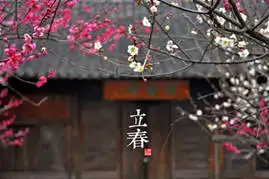
The 24 Solar Terms
The 24 Solar Terms is the wisdom of ancient Chinese farming civilization based on the observation of movement of the Sun, Moon and Big Dipper. People in China still arrange the farm work based on the 24 solar terms.
Ethnic Minority Festivals in China
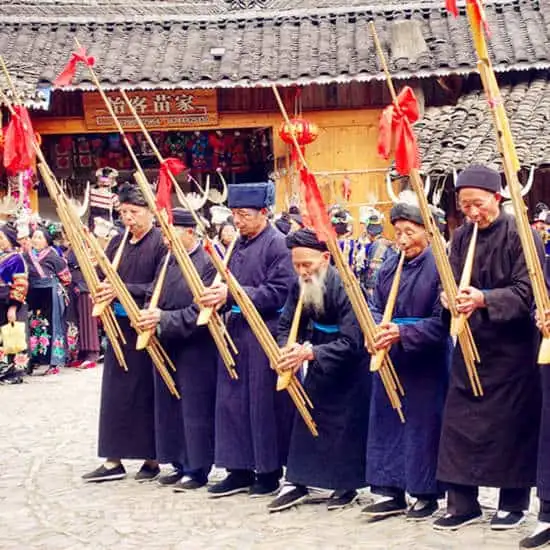
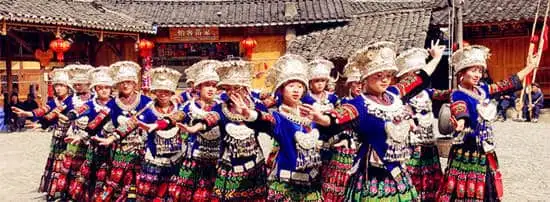
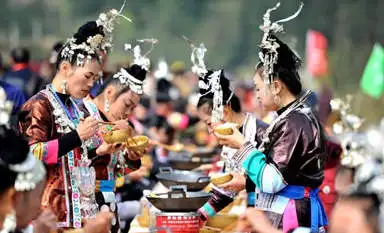
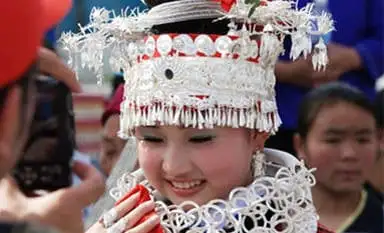
Something very typical in China are ethnic festivals. China has so many ethnic minority festivals. Each of the 56 minority groups have their own festivals, to celebrate the New Year, harvest, religion, food, and family. The best part, the people are all dressed up, with exaggerated traditional outfits.
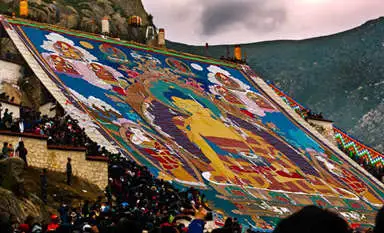
Ethnic Festivals of Tibetan
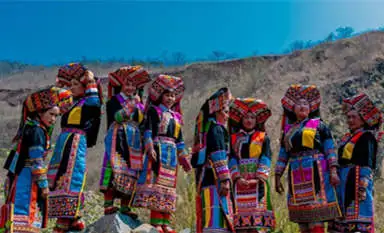
Lisu's Knife-ladder-climbing Festival
"Daohuo" rite performed by a group of men is the most important activity of Knife-ladder-climbing festival, and reappears the life history and the arduous spirit of Lisu people in mountainous regions in ancient times.
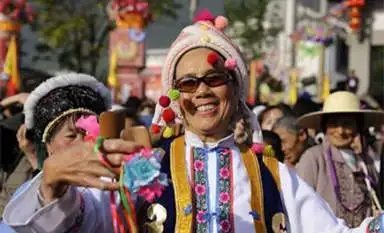
Bai's March Street Fair
Initially, the festival featured a rich atmosphere of religious activities, and later became a big commodity fair, when the merchants from Sichuan, Tibet and regions south of the Yangtze River did business in the March Street.
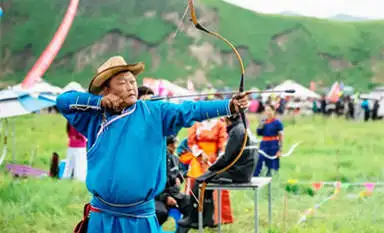
Mongolian Naadam Festival
The major traditional Mongolian holiday, Naadam festival stands for "game" or "entertainment", and celebrates harvest. The herdsman builds the yurts, selects the strong flocks and herds, makes the milk wine, and decorates with colorful flags.
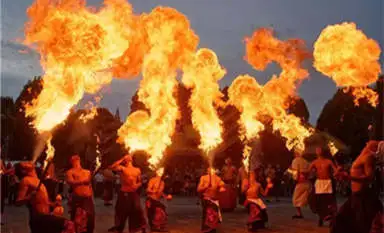
Yi's Torch Festival
Yi people living in Yunnan, Guizhou and Sichuan celebrate this traditional festival and "Oriental valentine's day" on June 24th or 25th. The grand carnival lasts for three days, and all the beautiful girls and boys in traditional clothes participate in.
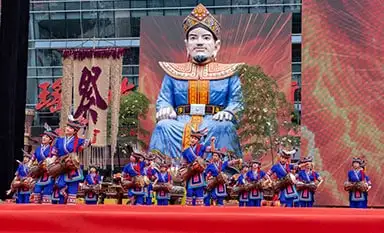
Yao's Panwang Festival
The Pan Wang Festival, held on October 16 of the lunar calendar, is one of the most solemn and sacred festivals of the Yao people. During the Pan Wang Festival, the Yao people sing and dance together to celebrate the auspicious day.
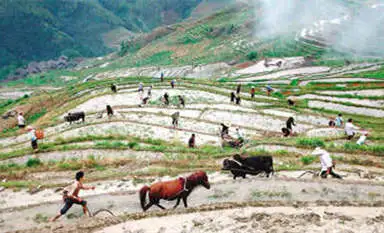
Experience Chinese Culture with Festival Tours
With so many festivals in China, delve into Chinese culture with a tailor-made festival tour. Easy Tour China offers guided itineraries for you to explore some of the oldest and most unique festivals in the world.