
Formerly known as "Jiao'er", Chinese dumpling (Jiaozi) is the No.1 Chinese food and very popular all over the country. You can often see the dumpling restaurants at different corners of a city. Whether you are a foodie planning an authentic China food tour, a first-timer to the country seeking the most popular food to eat, or parents preparing Kid-friendly Chinese Foods, dumpling is a must-try.
It is said that Jiaozi was first invented by a famous herbal medicine doctor – Zhang Zhongjing of Eastern Han Dynasty (25-220 AD) for medicinal use. Another version of its origination is related to the Emperor Taizong in Tang Dynasty (618-907), who let his chef to mix some vegetables in his favorite meatballs to make them less greasy. Then the chef thought of a special way by enfolding these meatballs with flour wrappers and boiling them in water. The emperor loved this new type of food very much. Later it was widespread in the whole country.
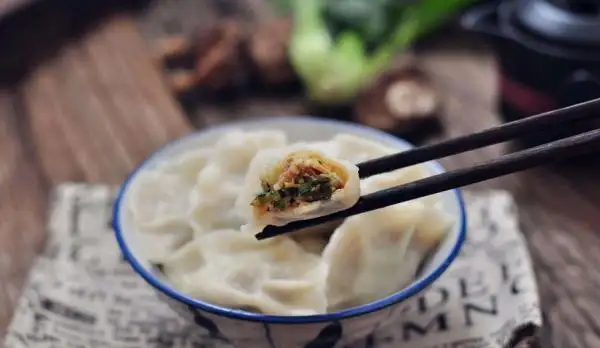
How to make dumpling in a traditional way? To make the dumplings taste better, Chinese people care about not only the fillings, but also the dumpling wrappers, which are made of wheat flour. When making a dough, some people can add eggs, oil and water to mix with flour. The fillings can be different styles like vegetarian, non-vegetarian, sweet or salty.
History of Chinese dumpling - stories & legends
Archaeological discoveries have confirmed that the origin of dumplings is actually much older than the Eastern Han Dynasty. In a late Spring Period tomb in the Xueguo Ruins of Tengzhou, Shandong Province, a triangular-shaped pastry was found. This should be the earliest known dumplings, although its shape differs somewhat from the current ones, resembling wontons more than dumplings. Later, several chef figurines unearthed from the Three Kingdoms tombs in Zhongxian County, Chongqing, showed the images of ancient dumplings on the cooking tables they were operating.In the Tang Dynasty, "Miscellaneous Records of Youyang" recorded that the wontons made by the Xiao family in Chang'an (now Xi'an) were very exquisite. If the oil in the soup was removed, the wonton (dumpling) soup could even be used to make tea. Wei Juyuan's "Burning Tail Banquet Menu" recorded "Twenty-Four Seasonal Dumplings" - which is very likely the origin of the current Xi'an dumpling feast. These dumplings had fillings of 24 ingredients such as sea cucumber, squid, fresh scallops, quail, chicken, fish, pig, rabbit, ox, deer, goose, duck, sheep, tofu, green onions, and mushrooms, all wrapped in various shapes such as rectangles, triangles, circles, rhombuses, and flower shapes.
In the Song Dynasty (now Kaifeng), "Dongjing Dream Record" stated that there were "crystal dumplings" and "fried dumpling" for sale in the marketplaces of Bianjing. The literature from the Song and Yuan periods also mentioned wontons, indicating that dumplings and wontons had been clearly distinguished at that time.
During the Ming Dynasty, a specific name for dumplings emerged. In the Qing Dynasty, there were two major types of dumplings made with rice flour and wheat flour. And dumplings were divided into cold water dough, steamed dough, and oil-fried dough. The methods of cooking dumplings included steaming, frying, and boiling. Besides using meat as the filling, there were also dumplings with seafood fillings, such as shrimp and crab.
Traditional types of dumpling in China:
If we classify them by filling, dumplings can be divided into:
Meat-filled dumplings: The most common type. There are Braised Cabbage with Pork, Lettuce with Pork, Celery with Pork, Pickled Cabbage with Pork, Mutton with carrots, beef with scallions, etc.According to the cooking methods, there are:
Boiled Dumplings (水饺): the most common type.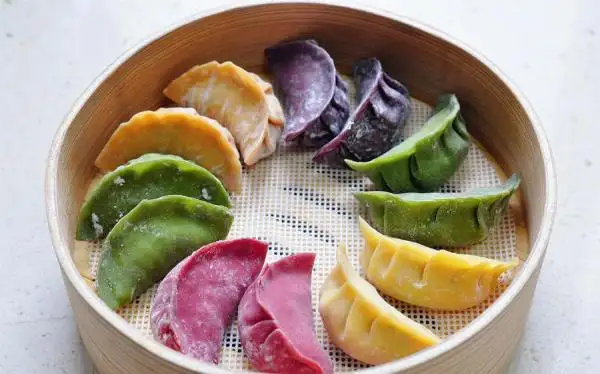
Famous Regional Flavors: best places to try dumplings
There are many famous dumplings all over China, such as Dim Sum shrimp dumplings in Guangzhou/Hong Kong, sour soup dumplings in Xi’an (you can taste it on a Xian Dumpling Banquet), pork and cabbage dumplings in Hengshui, pan-fried dumplings in Shanghai, steamed crab dumplings in Yangzhou, Fanjiyong Dumplings in Harbin, Laobian soup dumplings in Shenyang and Zhong soup dumplings in Chengdu.
Here are top 7 popular regional dumplings to taste on your tour of China:
Northeast (Dongbei) Dumplings
Shandong is one of the best places for dumplings. When touring Harbin, Qingdao, or Jilin, be sure to try the authentic Northeast dumplings. The thin and large dumplings taste delicious, and there are many types of fillings. Among them, the pickled cabbage pork filling is the signature. Besides, the cabbage pork, celery beef, chive egg, and seafood dumplings are also very popular.
Cantonese Dumplings
In the Guangdong region, dumplings are usually eaten as breakfast or snacks. The filling of fried dumplings is usually made of chives, pork, shrimp, and corn. The taste is delicious and the nutrition is balanced.
Shanghai Pancake Dumplings
One of Shanghai's traditional snacks, Shanghai fried dumplings is one of the most popular Shanghai breakfasts.
Beijing Fennel Dumplings
It is deeply loved by the local Beijingers. Fennel, due to its special aroma and warming properties, has a long history of consumption in the north, especially in Beijing. During traditional festivals such as the Spring Festival, fennel dumplings symbolize reunion and good wishes, as "fennel" is a homophone for "returning home".
Tianjin Vegetable Dumplings
The filling includes bean sprouts, dried tofu, mushrooms, green vegetables, fermented tofu, red flour noodles, and some fruits (oil cake pieces). Tianjin people must eat vegetarian dumplings on the first day of the lunar new year, symbolizing no disasters or diseases this year.
Yangzhou Crab Mousse Steamed Dumplings
These dumplings are more expensive than ordinary ones because the crab mousse steamed dumplings are made by blending crab mousse, crab meat, sea cucumber, eggs, and bamboo shoots together as the filling.
Shaanxi Sour Soup Dumplings
The filling is either beef with green onions or mutton with scallions. The sour soup is made by mixing Qishan vinegar, oil-spiced chili peppers, shrimp powder, scallions, and cilantro. It is one of the best winter foods in China (northern part).
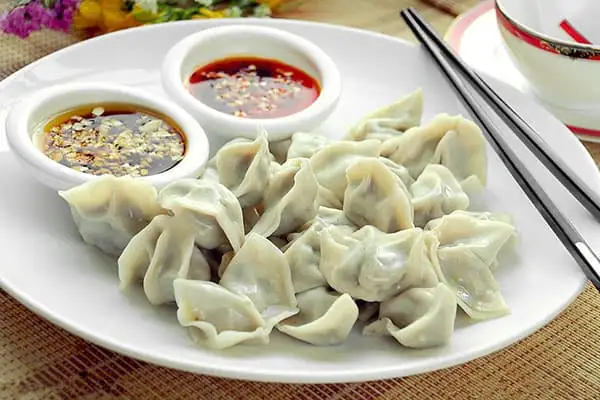
Chinese dumplings and Chinese New Year
Nowadays Jiaozi has become a type of staple food in China, especially North China. An old saying goes like "After the Lesser and Greater Cold days, eating the dumplings to welcome the New Year". The Spring Festival is the most important festival in China, and Jiaozi is the must-eat food for many Chinese families during the Chinese New Year's Eve and the first day of the year. It was not accidental that dumplings could become the festive food. Chinese people integrate certain auspicious meaning into it, which conforms to the festive atmosphere.
The common dumplings are shaped like gold or silver ingots, and eating them for the celebration of the New Year may prefigure the possibility of making money in the year to come, which is the dream of most average people. Just imagine that the family members get together to make dumplings, chat and enjoy the precious moment of a year. It is absolutely a joyful family occasion during the festival.
Usually people will make much more dumplings at one time, so some of them will be consumed during the family reunion dinner on the Lunar New Year’s Eve. The rest are put in the refrigerator. It is quite easy and convenient to make it ready to eat if you don’t want to cook during the Lunar New Year holiday.
The tradition of eating dumplings during Chinese New Year can date back to Ming Dynasty (1368-1644). According to the record of "History of Ming Palace", it mentioned that the people in the royal family got up early at 5 am on the first day of the New Year, drinking the liquor soaked with Sichuan pepper and oriental arborvitae leaves, and eating dumplings for the celebrations. One silver coin was secretly placed in one of those dumplings, If someone got the special dumpling in his/her bowl, he/she would be lucky for the whole year.
Alternatively, now people also choose to put peanuts, Chinese red dates or candies into the dumplings as a sign of good luck. Those who eat a dumpling with a piece of candy inside will have sweeter days in the coming year; those eating dumplings with peanuts inside will live a long and healthy life; those who have Chinese dates and chestnuts in the dumplings will conceive a baby boy soon; and those who get coins will continue to make money. In addition to the Spring Festival, Chinese people also eat dumplings on the day of winter solstice.
Authentic Chinese dumpling recipe: general steps of making dumplings
Preparing a dough
To make dumpling, first put the flour in a big bowl and sprinkle some salt, some people claim that it will be better to add the eggs (egg white preferred) and vegetable juice from those ready to make the filling. Stir the flour with the cold water being slowly added in to form a sticky and wet dough.
Add some more flour in the bowl and keep kneading the dough into a smooth and less sticky one (at least 10 minutes if possible).
Cover the dough and let it rest for at least 30 minutes.
Making the Filling
The second step to make dumpling is make the filling. After you leave the dough for resting, then it is time to make the filling. Put the minced meat in a bowl and add the soy sauce, salt, sesame oil, and pepper. Stir in only one direction.
Add the other filling ingredients, which can be any vegetables like cabbage, celery, white turnip, spinach, Chinese chives, etc. Mushroom and seafood are also popular ingredients in China. You can create your own favorite style of dumplings at home. Stir in the same direction until the mixture is sticky.
Form the Dumplings
Take the dough out from the bowl on to the worktop. Knead the dough again for a short while with some flour.
Divide the dough into small pieces, with each piece weighing about 15-20 grams. Roll each piece into a round dumpling wrapper with a rolling pin, about 8-10 cm in diameter. Don’t forget to sprinkle some flour on the worktop in advance to prevent the dough from sticking.
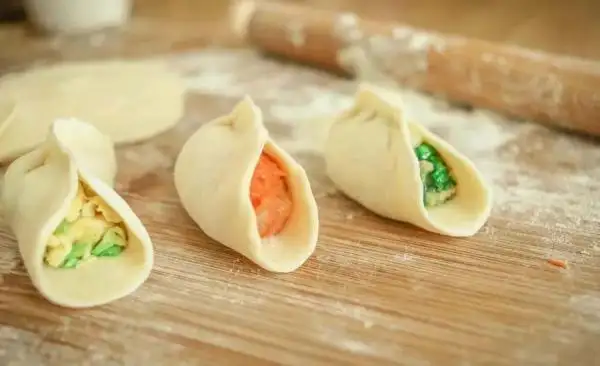
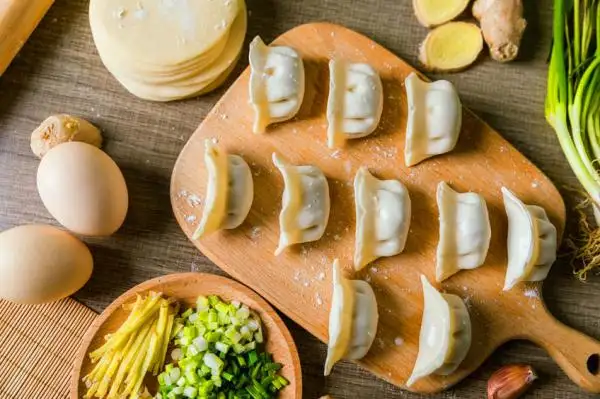
Laying the wrapper in the open palm of one hand, place a tablespoon or so of filling in the center and moisten the wrapper’s edge with water. Pinch opposite edges of the wrapper together to form a half-moon shape that’s open at both ends. Then pinch the edges to seal. Repeat with the rest of wrappers and filling.
Cook the Dumplings
Boil a large pot of water. Don’t put all dumplings in at one time (be sure all the dumplings can float on the water surface when they are ready). Since they are freshly made dumplings, you need to put them in water softly. Give them a gentle stir to avoid sticking together or going split from the edge. Then cover the pot. Once the water returns to boil, add 1/2 cup of cold water. Two more times are needed (add cold water totally three times after the dumplings are put into the pot).
When the water comes to boil again, the dumplings should be fully cooked and ready to be taken out from the pot. Then you can enjoy the fruits of your labor now! In China, some people would like to eat the dumplings with the dipping sauce of black vinegar and soy sauce.
Now if you can find premade dumpling wrappers in the neighborhood stores or supermarkets, then it will be much easier for you to make dumplings at home. Have you learned the dumpling recipe?
Recommended China food tours to learn to make dumpling:
Tips for eating dumplings
How many should you eat at one time? Usually, one person eats 10 to 15.
Dipping: Use chopsticks to pick up the dumplings and gently dip them in the vinegar (or chili sauce). Try not to let the entire dumpling be soaked in the sauce.
Biting: The freshly cooked dumplings are usually quite hot. Take a small bite first to let the heat dissipate.
Sucking: If there is soup in the dumplings (such as pork and cabbage dumpling), you can first gently suck off the soup, then dip it in the sauce for consumption.
Eating: If the dumplings are large, you can finish them in 2-3 bites.
The most traditional and authentic way to eat dumplings also requires a bowl of dumpling soup.
Dumpling vs wonton
| | Dumplings (Jiaozi) | Wonton |
|---|---|---|
| Wrapper | Thick & Chewy. Usually round, holds its shape. | Thin & Tender. Usually square, silky smooth texture. |
| Filling | Generous & Meaty (Mixed veggies & meat). Solid bite. | Delicate & Pure. Mostly meat (pork/shrimp). Focus on fresh flavor. |
| Shape | 3D Shape. Looks like a "Crescent Moon" or "Gold Ingot." Can stand on its side. | Flat & Folded. Resembles a "Little Pouch" or "Ravioli." |
| Eating Style | Main Course / Dry. Served with Vinegar/Soy Sauce/Garlic. | Soup Dish. Eat the skin & drink the broth. Served with seaweed & shrimp roe. |
| Broth | Usually no broth. (Soup is optional if served as "Soup Dumplings"). | Broth is ESSENTIAL. Clear soup is the soul of the dish. |