
With the long-standing presence in China, China is rich in vegetarian culture. The Chinese vegetarian food can be classified into 3 major schools and 2 types. The three schools refer to the veg food served on 3 different occasions: royal palace, temple and folk restaurants. The 2 Vegetarian cuisine types are veganism and vegetarianism. The vegan style is mainly adopted by the monks in monasteries. They don’t even take onion, garlic, leek and scallion in daily diet. Chinese vegetarian style is much adaptable and popular among the average people. Eggs are acceptable to them.
Another feature is that to make vegetarian food more appetizing, Chinese cooks deliberately make the veg dishes look and taste like meat by using all the veg ingredients, even name the dishes with relevant meats, such as veg chicken, veg duck, Veg meat ball, etc. Make sure you don’t miss the most popular vegetarian foods in China during your vacation.
A quick comparison of the three major schools of vegetarian Chinese cuisine
When taking a meat-free travel to China, you may try the signature dishes from each school in each of your destination.
| School | Key Features | Most Famous Dishes |
|---|---|---|
| Temple/Zen Vegetarian | Strictly vegan (no "Five Pungent Herbs" like garlic, onions, chives); uses local ingredients; emphasizes purity, tranquility, and a clean atmosphere. | Arhat's Delight (Lohan Cai) |
| Imperial Palace Vegetarian | Rare & exquisite ingredients; meticulous craftsmanship; focuses on elaborate presentation and grand banquets. | Imperial Vegetarian Banquet, Meat-like Vegetarian Dishes |
| Folk/Home-style Vegetarian | Blends with regional cuisines; diverse flavors; practical and down-to-earth, part of daily life. | Assorted Vegetables (Su Shi Jin), Mushroom Wheat Gluten |
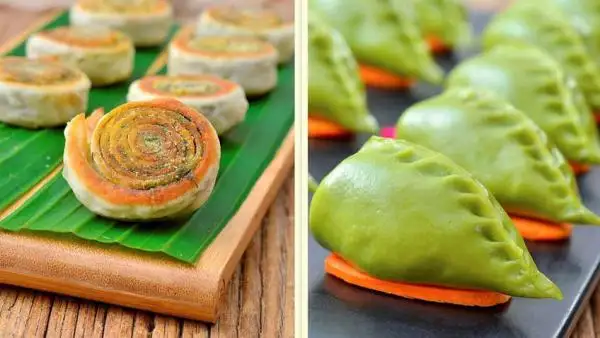
Temple vegetarian school
This is referring to the vegetarian dishes served in Buddhist and Taoist temples, which is the Chinese vegan style. According to the book “Qing Bai Lei Chao” written in early 20th century, in Qing Dynasty the most famous temples serving veg food are Fayuan Temple in Beijing, Dinghui Temple in Zhenjiang, Baiyun Daoist Temple in Shanghai and Yanxia Cave in Hangzhou.
History
The veg food served in temples of China has a longer history than the other two schools. In history, the birthplace of Chinese Kung Fu - Shaolin Temple ever entertained more than 20 emperors of different dynasties with their prominent veg food. In 629 AD, Emperor Taizong of Tang Dynasty visited Shaolin Temple to express his appreciation to the 13 warrior monks who saved his life during one expedition. The head Monk Tanzong hosted a "Dragon Feast" with 60 vegetarian dishes to extend the profound gratitude to the emperor for his patronage.
In 1292 AD, Emperor Shizu of Yuan Dynasty went to Shaolin Temple to visit his friend Monk Fuyu. The “Flying Dragon Banquet” prepared for the emperor had as many as 90 dishes.
Materials & Cooking Methods
The ingredients can be classified into three categories: dried fruits, namely mushrooms like truffles, oyster mushrooms, and monkey head mushrooms, as well as sesame seeds, peanuts, walnuts, almonds, etc.; fresh fruits, namely tofu, bean curd sheets, wheat gluten, and konjac products; and fresh vegetables, namely seasonal fresh fruits and green vegetables. The ingredients are all seasonal and fresh. All cooking oils used are vegetable oils.
The cooking methods for temple vegetarian dishes include stir-frying, sautéing, steaming, frying, stewing,
Many temples oppose naming vegetarian dishes as meat dishes, believing that this violates the "intentional killing rule".
>> Recommended 13 Days China Discovery for Vegetarians
Famous dishes
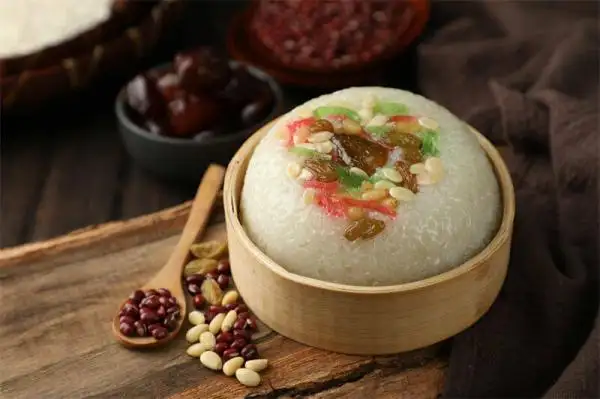
Palace vegetarian school
The palace vegetarian diet in China was first developed in the palace to accommodate the needs of the emperor and royal family members, who were the Buddhist followers. In Qing Dynasty the imperial kitchen consisted of Meat Dish Bureau, Veg Dish Bureau, Staple Food Bureau and Snack Food Bureau. Among them, the Veg Dish Bureau is specialized in cooking vegetarian food for royal family. It is characterized by extremely elaborate production and complicated side dishes.
In late Qing Dynasty, a group of retired and skillful chefs from the imperial kitchen began to serve in the prestigious restaurants outside the Forbidden City. Some even started their own restaurants offering vegetarian dishes. For example, "Quan Su Zhai" Restaurant founded by Liu Haiquan was once celebrated in Beijing.
Materials & Cooking Methods
The palace chefs were well-versed in the art of cuisine. The quality of the ingredients was the most crucial factor. The palace vegetarian dishes used a wide variety of fresh seasonal fruits and vegetables, matching the royal hierarchy. The production process was elaborate and emphasized "vegetarian ingredients, meat names, meat shapes, and meat flavors".
Famous dishes
>> Recommended 7 Days Essence of China Tour for Vegetarians
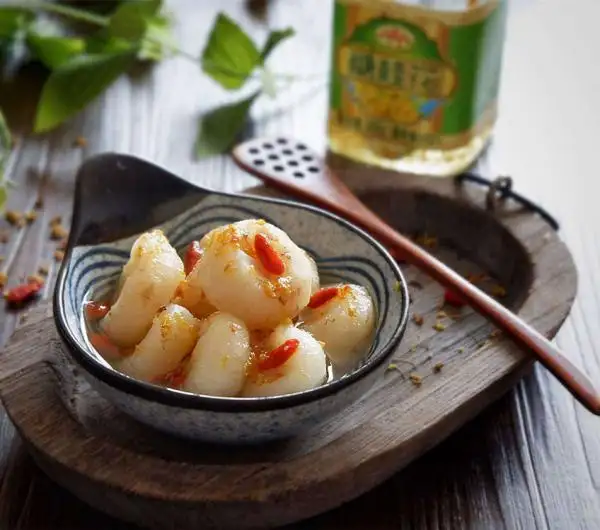
Folk restaurants
Folk vegetarianism is mostly based on the charity and moral sentiments of Buddhist & Daoist religions. Traditionally many Chinese people believe that being a vegetarian is the virtue of the benevolent. China has a vast territory; some local cuisines like Sichuan cuisine and Beijing cuisine have their sub-branch for vegetarian food. In late Qing Dynasty, there were already 7 well known vegetarian restaurants in downtown Beijing, which showed the popularity of veg food in the capital of the country.
Unlike the extremely vegan meals offered in temples or the elaborately prepared dishes in palaces, folk vegetarian Chinese food is of a home-style flavor. It uses the most basic ingredients.
>> Find nice vegetarian restaurants in China
Ingredients for common vegetarian dishes
There are abundant plant-based materials and ingredients in China for veg food: all grains, beans, vegetables, mushrooms, algae, fruits, nuts, etc. The invention of Tofu and soy products processed from soybeans made Chinese veg food more protein rich and colorful in styles. There are also other types of processed food like gluten, roasted flour and Chinese vermicelli.
Here is an incomplete list of soy products in China: soy milk, southern tofu, northern tofu, frozen tofu, packed tofu, dried tofu, tofu slices, hundred pages tofu, thousand sheets tufo, tofu skin, tofu foam, vegetarian chicken, smoked dried tofu, oil skin, bean sprouts, fermented bean curd, fermented soybean, Yellow sauce, soy sauce, fermented soy milk, etc.
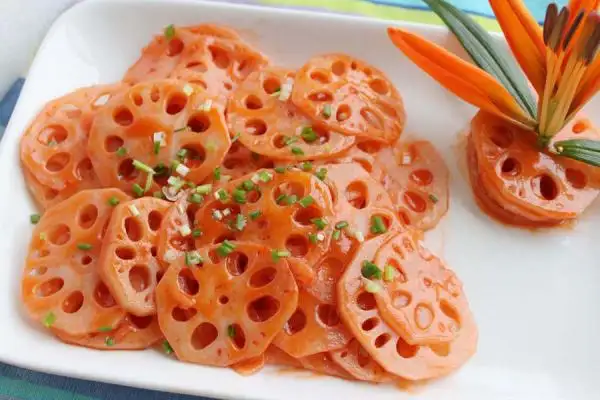
Which region of China has the most vegetarian cuisine?
It has to be the Jiangnan region, including Hangzhou, Suzhou and Nanjing, which is known as the "Buddhist Land". Many thousand-year-old temples (such as Lingyin Temple) offer traditional vegetarian meals, which are the sources of many classic vegetarian dishes.
The Hengshan Mountain in Hunan Province, one of the famous Buddhist and Taoist mountains in China, has been officially recognized as "the Land of Vegetarianism in China".
In addition, there are many local delicacies of vegetarian food in Xiamen,Chengdu (and Mount Emei) and Guangzhou.
When planning your vegan food tour of China, you’re suggested to check information about local vegetarian restaurant and the travel tips for vegans in advance.