
Chinese wines are quite different from those of other countries. They are distilled from rice, millet, sorghum and other grains, as well as herbs and flowers. And also there are a wide variety of tonic wines that are made with traditional ingredients.
For wine enthusiasts, tasting some local wines can also enhance your China vacation.
History of Chinese Wines
Stories about wine can be found in almost every period of China's long story. It is believed to have 4,000 years history. A legend said that Yidi, the wife of the first dynasty's king Yu (about 2100 BC) invented the method. Chinese distilled wines are not drunk on their own, rather, they are consumed with food or some snacks.
Wine occupies an important place in the culture and life of the Chinese people, and even the Chinese cuisine. Over the centuries many different kinds of wines have been developed and brewing methods and distillation have evolved to be more sophisticated. Meanwhile the way and etiquette of consuming wines have become a vital part of Chinese custom and culture.
Categories of Wines in China
Liquor
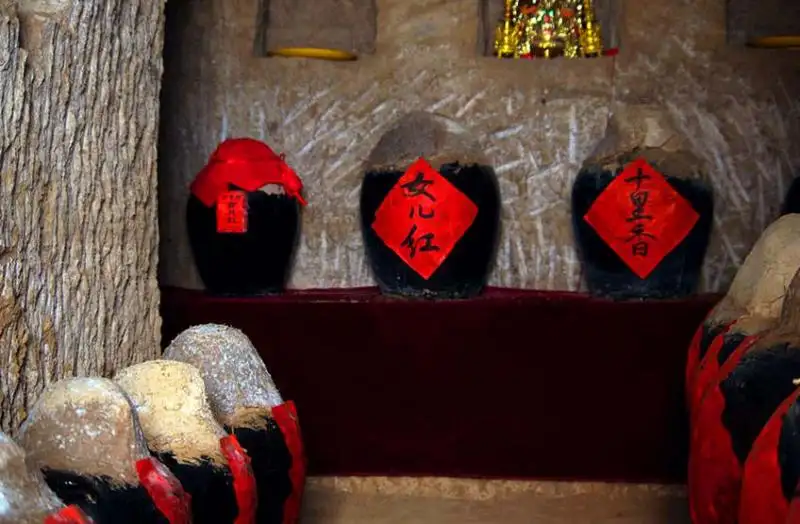
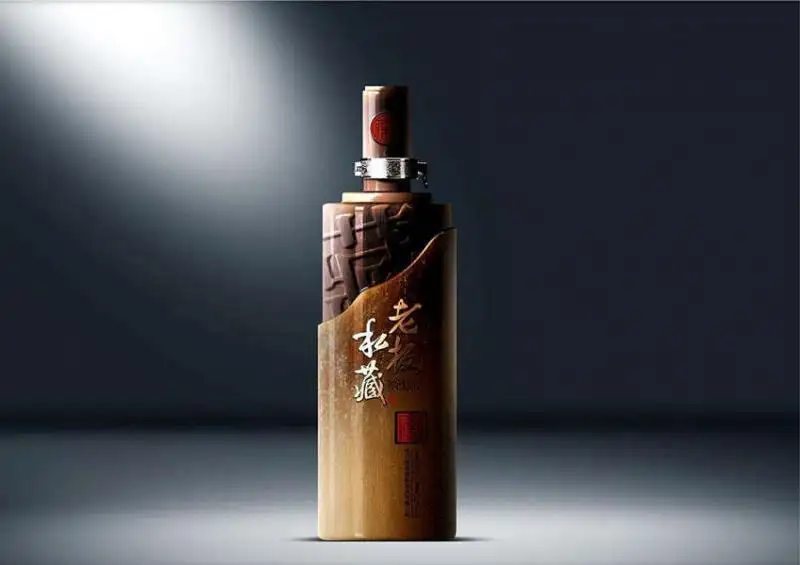
Dated from the Song Dynasty (420-479 AD), it has a complicated production method and can be made from various staples – corn, rice, wheat, and broomcorn. Evolving through the long tradition, nowadays distillers create liquor that is aromatic, crystal clear and tasty. The most famous brand "Maotai" (produced in Guizhou Province) is deemed the "National Liquor". The liquor has a slow maturing process; it is usually stored for 4 to 5 or even more years to ensure that its fragrance and flavor are fully developed to regale honored guests with.
Yellow Wine
As one of the world's ancient wines, it is a traditional wine exclusive to China. Dated back to some 5,000 years ago, yellow wine is, by its name, famous for its yellow luster and color. Rice and sticky rice being the staple, it has a balmy fragrance and sweet taste after the fermentation process. Its alcohol content is usually 10 to 15 percent, with no sharpness when tasting. Yellow wine has a wide appeal, and is usually used in cuisines besides drunken as a beverage.
Fruit Wine
It is mainly made from pears, oranges, grapes, litchis, sugarcane, berries, lemons, and also other fruits and all are palatable. It has perhaps the longest history, even with a legend that before manmade fruit wines appeared, apes brewed this wine based on the natural fermentation of fruits. Today the production of fruit wine is widely produced, most prominent of which is grape wine; usually with very low alcohol content.
Tonic Wine
Wines added the zest or fragrances from herbs, fruits, flowers, other plants or even animal derivatives. This unique wine of China has various levels of alcohol and sugar content; it may be drunk as a medical beverage. It is well documented in many books from ancient times, detailing the methods and functions of this healthy product. It is a vital part of Chinese tonic medicine.
Beer
Commonly made from hops and barley, beer has much lower alcohol content than many liquors and wines. Though it was not until the early 20th century that beer is produced in China, there are historical records showing that a sweet, light wine named "li" was produced with malted barley far back to 3,200 years ago. It was after a long time that beer was widely accepted by the Chinese people, but now beer has formed a thriving industry, spawning many brands of quality beers appreciated both at home and abroad.
>> Contact us for a customized China wine tour to taste regional wines in Beijing, Xian, Taiyuan, Yantai, Yinchuan, and other places.
Chinese Etiquette of Drinking Wine
In China, almost all momentous occasions are celebrated with wine. For example, when someone gets married, starts a business, builds and moves into a new house, makes a fortune, etc, he would invite others for a drinking session.
Drinking wine in moderation is considered beneficial; nevertheless one must be aware that over indulgence can harm oneself as well as others. The way and etiquette of savoring these desirable products have become a vital part of Chinese custom and culture.
Certain rules of etiquette and behavior are expected to be observed by both the guests and the host when drinking wine at table.
To show due respect, the wine glass should be filled with wine. Remember that the elders and superiors must always be served first. Everyone should stand up and make their cup brim touch each other’s when toasting, and note that the junior's cup be hold a little lower than that of the superior's.
The glass should be emptied and even inverted to show that not even a single drop of wine remains after the toast.
Refusing to participate in a toast shows the great irreverence and a lack of politeness, therefore those who cannot manage to do so should explain in advance or find another alternative to do so in order to ensure that no one is offended and receive a kind understanding of their situation.
During the feast, people often play finger-guessing games and also other drinking games, such as singing, dancing, and the like. All these amusements add much excitement and joy to the banquets.
Chinese Wine vessels
In Chinese wine culture, the concept of "objects convey meaning" holds true. Wine vessels have various materials and functions, ranging from ancient bronze vessels from the Shang and Zhou dynasties to modern delicate cups.
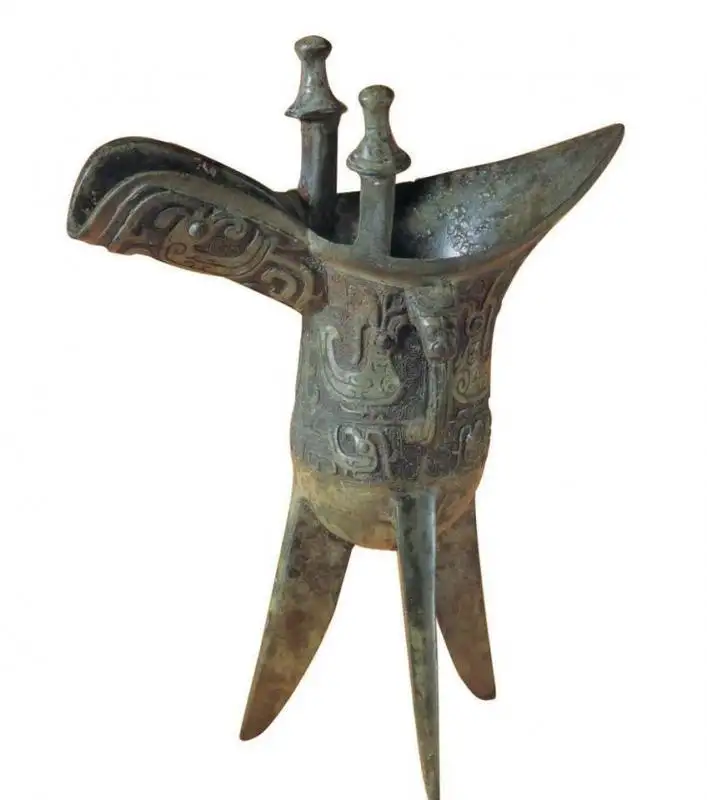
Bronze jugs - A representative wine vessel from the Shang and Zhou periods, used for drinking and warming wine. At that time, only the nobility could use it, and the phrase "promoting rank and receiving titles" originated from this. Other popular bronze wine vessels from the Shang and Zhou periods include the bronze cong and the bronze gong.
Porcelain wine pots and pouring bowls - A combination of wine vessels from the Song Dynasty. The pot holds wine, and the bowl holds hot water, warming the pot - this is a classic pairing for drinking yellow wine.
Blue and white porcelain wine cups - The most common wine vessels on Chinese dining tables since the Ming and Qing dynasties. Small porcelain cups are decorated with landscapes and flowers and birds.
Small white liquor cups - The standard for drinking high-proof liquor today, usually made of transparent glass or bone china. The capacity is very small, about 10-30ml, allowing for sipping slowly.