Gansu Provincial Museum: The Treasure Hall on the Silk Road
Travel in Lanzhou
Private Gansu Tours including Lanznou
Hot China City Tours
Table of Contents
- 1. Gansu Provincial Museum’s Facts
- 2. What to See at Gansu Provincial Museum in Lanzhou
- 3. How to Visit Gansu Provincial Museum?
- 4. Explore Lanzhou’s Cultural Heritages with Easy Tour China
Gansu Provincial Museum was first built in 1956 and opened in 1959, covers an area of 21,000 square meters, with an exhibition space of 13,000 square meters. The museum is in the shape of Chinese character “Mountain.”
The museum has 5 floors in the middle, three floors on both sides. In the museum exhibit historical finds in the province, the Wei (220-265) and Jin (265-420) murals, the chart of the Silk Road, and other revolutionary cultural relics. The museum boasts nearly 100,000 pieces of relics and specimens.Visiting the Lanzhou Provincial Museum is an absolute one of the worthiest things to do in Lanzhou.
Gansu Provincial Museum’s Facts

What to See at Gansu Provincial Museum in Lanzhou
The Gansu Museum’s artifacts are the true gems of the collection, with several pieces that are recognized as national treasures. Here are the absolute must-sees:
Bronze Galloping Horse (马踏飞燕)
Undoubtedly, the museum’s prized treasure, the Bronze Galloping Horse (also known as “Flying Horse of Gansu”) is 34.5 cm tall and dates back to the Eastern Han Dynasty (AD 25–220). Unearthed in 1969 from the Leitai Han Tomb in Wuwei, this bronze sculpture depicts a horse galloping in mid-air, with three hooves off the ground and the fourth lightly stepping on a flying swallow. Its artistic balance and dynamic posture make it a lasting symbol of Chinese creativity and craftsmanship. Today, the Flying Horse of Gansu is displayed in a prime location on the second floor of the museum in the Silk Road exhibition hall.
It is worth mentioning that the original Bronze Galloping Horse is usually exhibited from May 1 to October 15 each year, and the ones displayed at other times are replicas. You can plan your Gansu tour according to the exhibition period of the original piece.
>> Learn more about China’s Top 10 Museums: Most Famed & Valuable Museums in China
Permanent Exhibitions
The museum features a series of award-winning permanent exhibitions, which display the precious achievements of northwestern China’s archaeology, you can visit in the order of the second floor, third floor, and first floor.
Civilization Along the Silk Road within Gansu (2nd Floor)
The core exhibition showcasing over 420 Silk Road artifacts collection that tell the story of the ancient Silk Road from its origins to its peak. Highlights of this exhibition includes Han Dynasty relics, silk fabrics, gold and silver wares, the famous Courier Mural Brick, which has become the unofficial emblem of China Post, and Han Dynasty bamboo and wooden slips that reveal daily life and administration along the Silk Road which were Han tomb’s cultural relics.
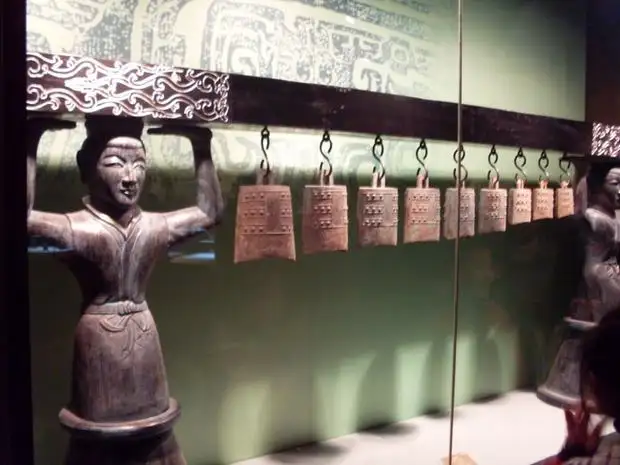
Gansu Painted Pottery (3rd Floor)
This exhibition hall displays pottery from the Dadiwan, Yangshao, Majiayao cultures and various Bronze Age cultures, among which the wide-band tri-colour pottery bowl, pottery bottle with a human-shaped spout, and Dadiwan ground painting attract attention.
Gansu Buddhist Arts (3rd Floor)
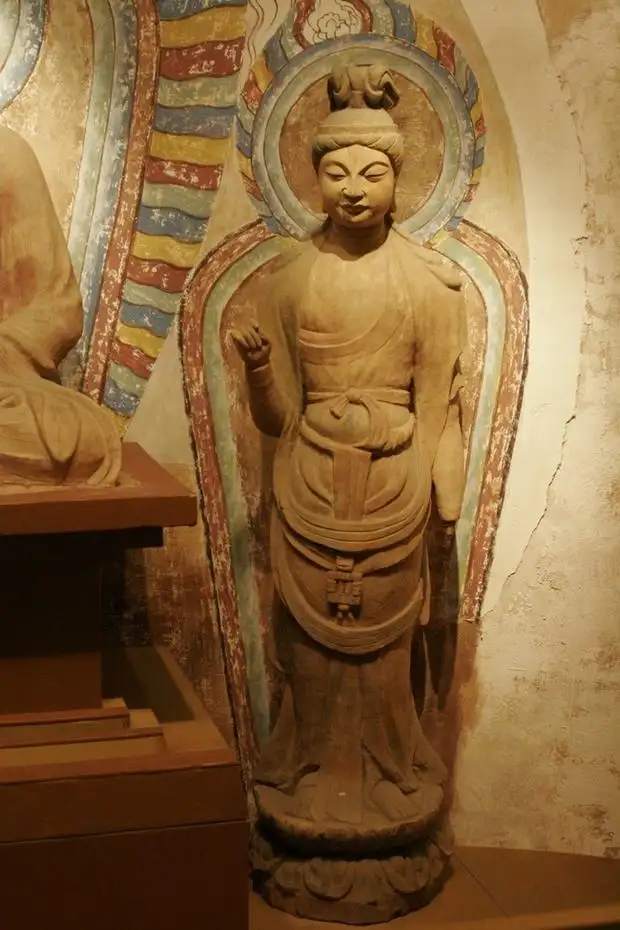
This exhibition, has divided Buddhist art relics in Gansu into six sections: the Spread of Buddhism to the East, the Flourishing Buddhist Music, Fallen Flowers in the World, Blossoms in Harmony, Treasures of Dunhuang, and more. It showcases the historical trajectory of the spread and development of Buddhism in the Longyuan region from the Sixteen Kingdoms to the Ming and Qing Dynasties, vividly presenting the full scope of the development of Buddhist art in Gansu.
>> Related Reading: Chinese Arts and Crafts
Here, you can closely observe some mural paintings through Silk Road era such as 1:1 replica caves of the Maijishan Grottoes and the Mogao Grottoes, experiencing the aesthetics and wisdom of ancient Chinese people across the Hexi Corridor culture.
Paleontological Fossils of Gansu
This exhibition is guided by the history of the evolution of life on Earth, displaying a large number of paleontological fossil specimens discovered in Gansu. It introduces fossils from various eras, including the Paleozoic, Mesozoic, and Cenozoic periods; their living environments; and related knowledge, making it very suitable for parent-child visits.
Red Gansu – To 1949
This exhibition comprehensively showcases the great journey of the people of all ethnic groups in Gansu, under the leadership of the Communist Party of China, advancing step by step towards glory during the tumultuous revolutionary era.
Temporary Exhibitions
The first floor of the museum has a rotating temporary exhibition hall, regularly hosting special exhibitions of cultural heritage and artworks. Recent temporary exhibitions include “From the Yellow River to the Tianshan Mountains” (A Westward Journey of Prehistoric Painted Pottery). These exhibitions can offer fresh perspectives and new displays even for repeat visitors.
You can check the museum’s official WeChat account for current temporary exhibitions before your visiting.
How to Visit Gansu Provincial Museum?
How to Get to Gansu Provincial Museum
The easiest way to reach the museum is to take Metro Line 1 and get off at Xizhan Shizi Station (西十字站), then go out from Exit A and walk about 500 meters.
Essential Tips for Visiting Gansu Provincial Museum
>> Learn more about Lanzhou Travel Tips
Explore Lanzhou’s Cultural Heritages with Easy Tour China
The Gansu Provincial Museum is just one of many incredible stops along the ancient Silk Road. You can extend your travel to the Lanzhou with other highlights like the Zhongshan Bridge—the first iron bridge over the Yellow River—and the charming Waterwheel Park, where you can see traditional irrigation technology in action. Just let Easy Tour China help you craft the perfect cultural tour for you. Here are some recommended itineraries.