
The Silk Road has a long history in China. Traders once left cities like Xi’an, heading west with silk and tea across deserts and mountains. Places like Dunhuang, Turpan, and Kashgar still carry that history today. If you’re wondering how to plan a Silk Road tour, don’t worry. This Silk Road travel guide covers the basics to help you get started.
Top China Silk Road Destinations and Cities
The Starting Point: Xi'an
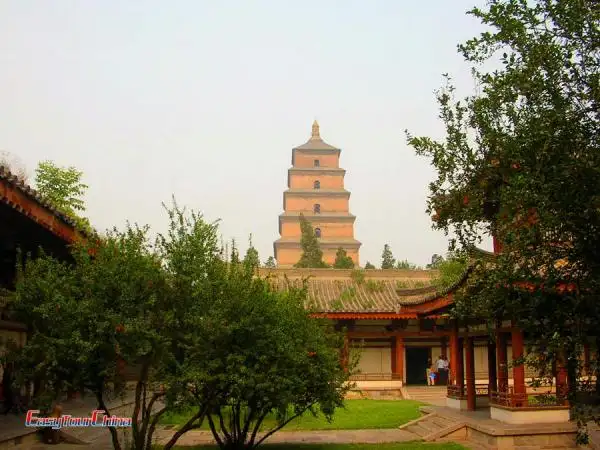
One basic fact about the Silk Road is that Xi’an is where this ancient route began during the Western Han Dynasty. And you can really feel the weight of history here. This ancient capital of China for thirteen dynasties is kind of wild when you think about it. Walk the old streets and city walls—history seems to be around every corner.
>> 11-day amazing Silk Road odyssey tour from Xi’an
The Golden Corridor: Gansu
The Hexi Corridor, often called the “Golden Corridor,” is a narrow passage between mountains and desert in Gansu. It was once a key route of the Silk Road. Cities like Zhangye, Jiayuguan, and Dunhuang all lie along this historic path that you can explore on your Silk Road tours to Gansu.
Tianshui
Tianshui is one of those cities that quietly holds a lot of history. At the same time, it’s also a nice spot to slow down—especially with its hot springs, perfect for a relaxing break after a long trip.
Lanzhou
Lanzhou is the only city in China where the Yellow River runs right through the middle of town. You’ll be amazed by the food scene there during a China Silk Road tour. By day, the city feels a bit rough and rugged, and by night, the lights along the river suddenly give it a whole different vibe.
Jiayuguan
Jiayuguan was once a key gateway on the Silk Road, where traders and travelers had to pass before heading deeper into the west. The fortress here is so impressive that people still call it the “No.1 Pass Under Heaven.”
Zhangye
Often called “Golden Zhangye,” it was a must-pass stop along the Silk Road. Out in the quiet wilderness around it, you’ll find some real national treasures hidden in plain sight on your Silk Road travel.
Dunhuang
Dunhuang is a desert city, and it feels anything but empty. For centuries, cultures from four of the world’s great civilizations met here—leaving behind something truly breathtaking.
The Western Frontier: Xinjiang
Turpan
Turpan sits right along the old Silk Road, surrounded by desert, sun, and endless vineyards. Visiting there on your Silk Road journey, you’ll find it hot, a little wild, and full of stories from the caravans that once passed through here.Urumqi
Think of Urumqi as the literal "Heart of Asia." As Xinjiang’s massive capital and the absolute core of the Silk Road economic belt, this city hits you with a wildly cool mix of slick modern skyscrapers and deep Central Asian soul.Kashgar
Stepping into Kashgar on your Silk Road adventures feels like walking straight into a time machine. It was once a major crossroads of the ancient Silk Road. Today, the spice-filled alleys of the Old City still buzz with that old trading energy.10 Most Famous Silk Road Attractions
| Attractions | City | What to See |
|---|---|---|
| Terracotta Warriors and Horse Museum | Xi’an | Thousands of life-size clay soldiers buried in huge pits. |
| Giant Wild Goose Pagoda | Xi’an | An ancient Buddhist pagoda, temple architecture, and music fountain show. |
| Maijishan Grottoes | Tianshui | Cliffside caves featuring exquisite clay Buddha sculptures and murals. |
| Zhangye Danxia Landform | Zhangye | The famous rainbow mountains with colorful layered cliffs. |
| Jiayuguan Pass | Jiayuguan | A desert fortress marking the far western end of the Great Wall. |
| Mogao Caves | Dunhuang | Ancient Buddhist caves, various murals, and intricate painted sculptures. |
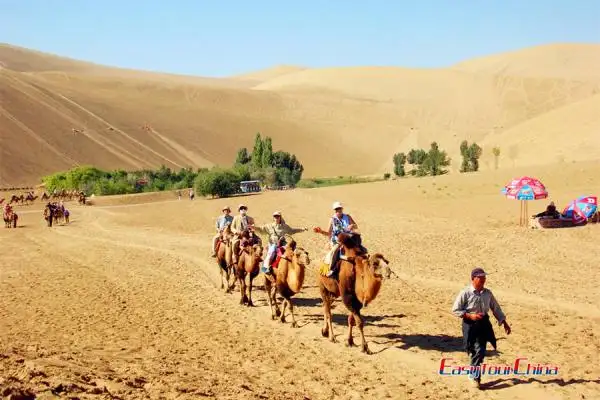
| Mingsha Mountain & Crescent Lake | Dunhuang | An amazing desert landscape where a crescent-shaped lake lies among the dunes. |
| Jiaohe Ancient City | Turpan | The remains of an ancient desert city built from clay and earth. |
| Kashgar Old Town | Kashgar | Traditional streets, bazaars, and everyday Uyghur culture. |
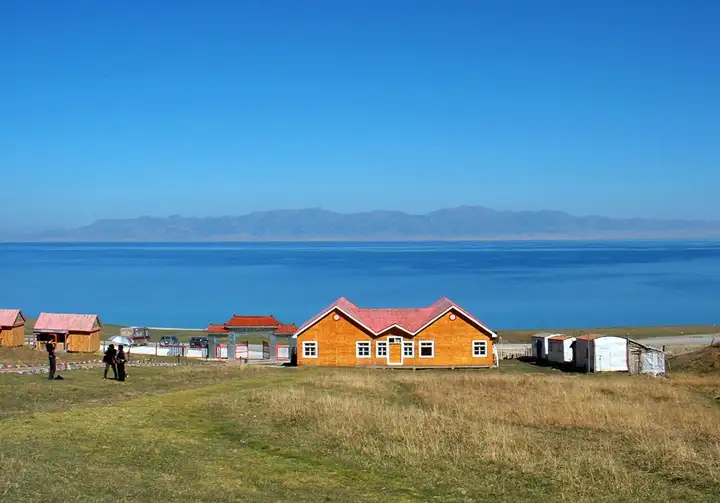
| Heavenly Lake | Urumqi (Tianshan area) | A crystal-clear mountain lake in the Tianshan Mountains. |

Silk Road Cultural and Historical Experiences
Get Your “Travel Pass” at Jiayuguan
Watch the Immersive Show See Dunhuang Again
Make Traditional Mulberry Bark Paper in Turpan
Tea Culture Experience in Kashgar Old Town
If you’re in Kashgar, don’t hesitate to step into an old teahouse in Kashgar’s Old Town, a place that still feels connected to the old Silk Road days. There, you can sit on the raised platform with a pot of local tea and some fresh naan, and take in Kashgar’s relaxed tea culture while the bazaar hums just outside.Best Time to Travel the Silk Road
The ideal time for Silk Road tours is between May and October, when the weather is easier for long trips and outdoor sights. Early autumn—especially September and October—is often the most pleasant, with clear skies and beautiful colors across many parts of the route.>> See the best time to visit China
China Silk Road Transportation
By High-Speed Rail
Most people start their Silk Road tours by train and high-speed rail, especially on the Lanzhou–Urumqi line. High-speed trains are fast and comfortable, and during the Silk Road train travel, scenery keeps changing outside the window—mountains, desert, and long rows of wind turbines.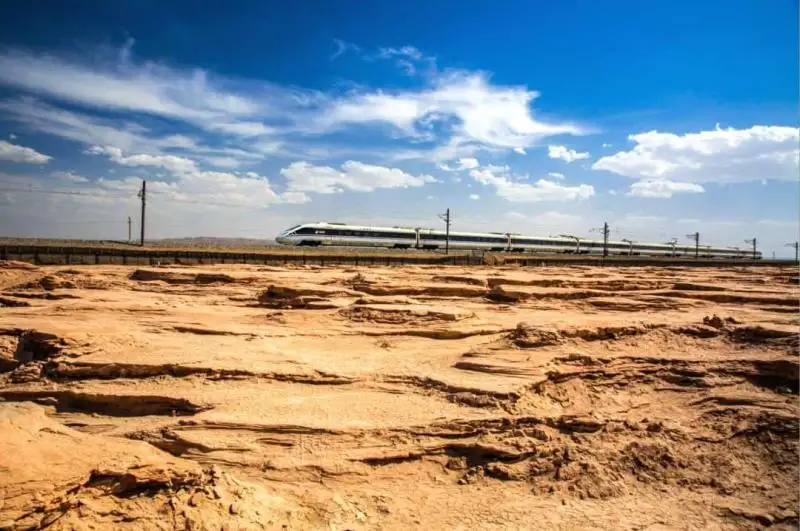
By Silk Road Tourist Trains
You can also travel along the Silk Road by luxury trains like the New Orient Express and the Panda Special Train. The New Orient Express Silk Road tour offers classic and elegant cabins, while the Panda Train is newer, a bit playful, and feels more like a boutique hotel on rails.By Flight
Distances in northwest China are huge, so many travelers take short flights between major Silk Road cities. It’s not the scenic option like a Silk Road train journey, but it saves time and makes longer routes much easier.Driving or Hiring a Car
Renting a car—or hiring a driver—is a popular option for traveling the Silk Road today. It gives you the freedom to explore those quieter places and stop whenever the landscape catches your eye.Silk Road Food: What to Try
Food is a big part of the Silk Road travel experience, and the flavors change as you travel west. In Xi’an, you’ll come across Xi’an’s famous food like lamb paomo, roujiamo, and wide biangbiang noodles. Then, as you head through Gansu, things start to smell a lot smokier, with bowls of Lanzhou beef noodles and lamb skewers sizzling over charcoal.And once you reach Xinjiang, the food becomes richer and more hearty, from big plate chicken to naan, polo rice, and freshly grilled kebabs you can smell from down the street.
>> Learn more about what to eat in China
How Long to Travel the Silk Road: Best Itinerary
A typical China Silk Road tour usually takes around 7–14 days, depending on how many cities you want to visit. Many travelers choose a 10–12 day Silk Road tour, which gives enough time to see highlights like Xi’an, Dunhuang, and the landscapes of Xinjiang without feeling too rushed.Wondering how to travel the Silk Road if you only have a week? The trick is to focus on a few classic stops, and a trip through the Hexi Corridor is a great option.
Of course, if you want to travel slower and explore smaller towns along the way, it’s easy to stretch your Silk Road journey to two weeks or more.
12 Days Classic Silk Road Itinerary
With 12 days or so, you can follow a classic Silk Road tour route across western China.Day 1–2: Xi’an—Visit the Terracotta Warriors and Horse Museum and the ancient city walls.
Day 3–4: Zhangye—See the Rainbow Mountains.
Day 5–6: Dunhuang—Pay a visit to the Mogao Caves, and wander the desert dunes.
Day 7–8: Turpan—Head to Jiaohe Ruins and Emin Minaret.
Day 9–10: Urumqi—Check out the local markets and make a trip to Heavenly Lake.
Day 11–12: Kashgar—Wander its old bazaar and winding streets.
>> Recommended 12-day essence of the Silk Road tour
Silk Road Travel Tips
Silk Road Accommodation: Where to Stay
To plan a Silk Road tour, deciding where to stay also matters. Many travelers prefer hotels in the city center. It’s simply more convenient—restaurants, shops, and public transport are all within easy reach. If you’d rather stay closer to the attractions, though, you’ll also find plenty of hotels and local homestays near major sights.Pack for the Desert Climate
Some parts of the Silk Road travel route pass through dry desert areas, and the sun can be pretty intense during the day. Therefore, a hat, sunscreen, scarf, and plenty of water will help a lot when you’re out exploring.Plan Your Route Carefully
Distances between Silk Road cities are huge. When planning a trip to the Silk Road, choose a few key stops and travel more slowly instead of trying to see everything. Also, turn to a reliable Silk Road travel agency for help if needed.Book Popular Attractions Early
Popular attractions can be surprisingly hard to get into, and some places limit the number of visitors each day, so it’s much easier if you sort out the tickets before you go.Be Mindful of Local Customs
You’ll pass through areas with strong traditions, so a little awareness makes a big difference when visiting religious sites or local neighborhoods. Tips for Travelling the Silk Road Independently
Going on Silk Road solo travel can be an amazing experience, but a little preparation goes a long way. Here are a few simple tips that make the journey smoother.1. Download offline maps—the signal can get weak outside the bigger cities.
2. Opening hours can vary, so check them out in advance. Some remote attractions close earlier than you’d expect.
3. Heading into the desert? Check the weather forecast first. Strong winds or sandstorms aren’t unusual in this region.
4. Bring some cash with you in case some small stalls don’t take mobile payment.
Silk Road Travel FAQs
Can you still travel the Silk Road?Yes, you can still travel the Silk Road today—modern trains, roads, and flights make it much easier, while many of the historic cities and landscapes are still there waiting to be explored.
Is the Silk Road worth visiting?
Yes, definitely. The Silk Road offers incredible history, landscapes, and cultures you won’t easily find anywhere else.
Is the Silk Road suitable for senior travelers?
Yes, the Silk Road is suitable for seniors thanks to convenient transportation and well-developed facilities. Also, many Silk Road tours for seniors are designed with a slower travel pace and comfortable accommodations.
>> Recommended 15-day Silk Road adventure for seniors
Embark on a Silk Road Tour with ETC
Planning a Silk Road tour can feel a bit overwhelming at first, but ETC makes it much easier with well-designed routes and attentive service. You can check out our ready-to-go China Silk Road tours below.If you want a customized tour of the Silk Road, contact us now.