Suzhou Opera Museum: Echoes of Elegance
Travel in Suzhou
Hot China City Tours
Suzhou Opera Museum, nestled within the historic heart of Suzhou, is formerly known as Shanghai Minfeng Su Opera Troupe. it was was established in Suzhou in 1953, and the construction started in 1982 and was completed in 1986. The Suzhou Opera Museum consists of buildings well preserved from the Ming and Qing Dynasties with elegant carvings.
The main building is a classical stage with the arched roof and caisson ceiling so designed that a very good sound effect is produced. Its perfectly thought-out design makes it the most delicate of Suzhou’s surviving stages.
In addition, the museum has four showrooms respectively for Kun Opera, Pingtan (a local folk art of storytelling), Suzhou Opera and classical instruments. Visitors will be surely impressed by the unique local art and great achievements made by groups of middle-aged and young artists since liberation and their successful performances in and out of the country.Suzhou Museum of Opera and Theatre: Key Facts
The Heart of the Museum: Suzhou Kunqu Opera
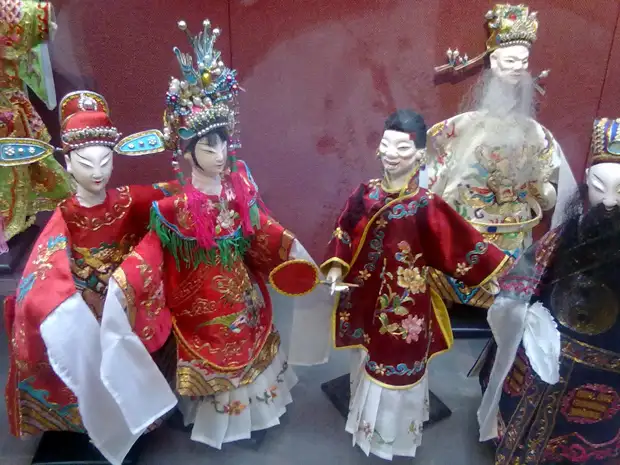
Suzhou is revered as the cradle of Kunqu Opera (昆曲), the venerable ancestor of many Chinese traditional opera forms like Peking Opera. It is called the “mother of Chinese operas.” Kunqu opera, or Kunqu began and is famous for its graceful singing, gentle music, and beautiful Chinese dances. Unlike some traditional operas with loud voices and fast actions, Kunqu has a smooth and slow style. The actors wear light and flowing costumes. During the performance, every movement and sound is carefully trained. The stories are often based on old Chinese novels, fairy tales, or poems, and focus on love, loyalty, and courage.The traditional instruments used in Kunqu include the bamboo flute and string instruments. The soft music makes the show peaceful and relaxing. Many people also enjoy the carefully written words in Kunqu songs. These lyrics are full of meaning and are often considered real works of poetry.What to See & Do at the Suzhou Opera Museum
For any traveler on a Suzhou tour seeking to understand the city’s artistic side, a visit The Suzhou Opera Museum will be an unforgettable journey into auditory and visual splendor.A visit here is more than a walk through exhibits. The museum is organized into several thematic showrooms dedicated to Kun Opera, the local storytelling art of Pingtan, Suzhou opera, and classical instruments. The museum is like a living textbook of Suzhou Kunqu culture and a must-see spot on your travel to Suzhou.
>> Recommended One Day Suzhou Highlight Tour
Marvel at Artistic Heritage
 The museum was formerly the Quan Jin Guild Hall in the Qing Dynasty. The main hall’s ancient stage is an architectural masterpiece. This ancient theater stage’s exquisite craftsmanship and earned high praise from internationally renowned architect I. M. Pei. This stage stands as a key artifact within The Suzhou Opera Museum and serves as its primary venue for performances.
The ancient stage’s backstage area has been restored to its original layout as described in The Yangzhou Painting Boat Record (扬州画舫录), faithfully recreating the backstage arrangement of a traditional Kunqu opera stage. This restoration holds significant research value for the study of Kunqu stage art and offers compelling visual appeal, extending the performance art of Kunqu opera.
The ancient theater stage offers the optimal viewing experience for performances. The side walls feature displays of Suzhou-style wood carvings and brick carvings, serving both as exhibits and decorative elements. The bamboo screens divide the wings into open-air boxes where audiences can enjoy Kunqu performances while leisurely sipping Chinese tea.
Adornments of the Kunqu Opera Art
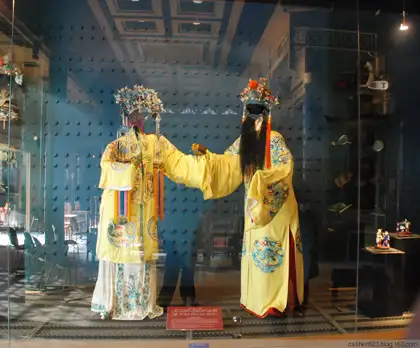
In the main hall of the museum, it is captivated by a stunning collection of Kunqu costumes, ornate and symbolic, which brought characters to life. This exhibition hall traces the history of Kunqu opera chronologically while showcasing its development through key figures, works, and events. Among the museum’s treasured artifacts, the rosewood nameplate of the late Qing-early Republican era theater troupe “Baohe Hall” is displayed here.
Some veteran artists in Suzhou frequently performed at this venue, making it a veritable living fossil of theatrical tradition.
View the Treasure of Kunqu Opera Manuscripts
At Suzhou Opera Museum’s gatehouse, its corridors extend along both sides of the exhibition hall, both titled “Kunqu Opera Art Exhibition,” displaying paintings depicting Kunqu opera stories.The eastern corridor features eight distinct Kunqu opera story paintings, representing performances from various Kunqu opera troupes across the country, such as The Peach Blossom Fan (桃花扇), The Story of the Lute (琵琶记), The Peony Pavilion (牡丹亭), and The West Garden(西园记).
The west side displays eight paintings by Pan Yuyi depicting scenes from Tang Xianzu’s The Peony Pavilion: The Study (闹学), The Garden Excursion (游园), The Startled Dream (惊梦), The Search for Dreams (寻梦), The Portrait (写真), The Found Painting (拾画), The Wedding Flight (婚走), and The Reunion (团圆).
This hall delved into the scholarly side with exhibits showcasing original rubbings of scripts and personal effects left by famed opera masters, providing an intimate glimpse into the lives of the performers who perfected this art.