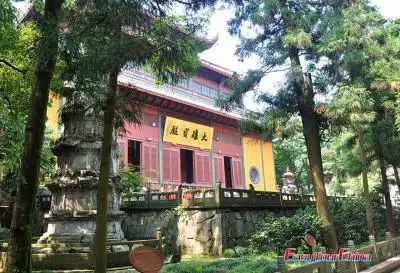
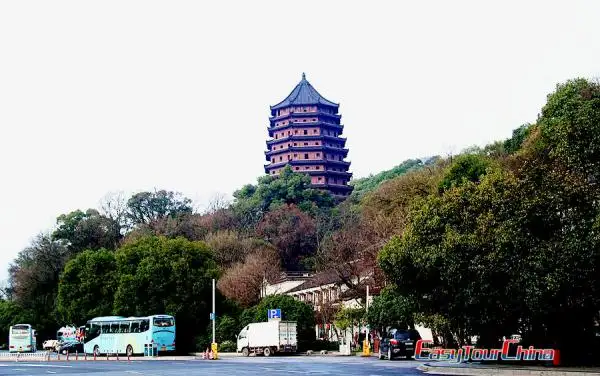
Standing tall on the Yuelun Mountain since 970 A.D., the Liuhe Pagoda (also known as the Six Harmonies Pagoda) isn’t just another pagoda in Hangzhou; it is a millennium-old warrior, a lighthouse, and a poetic landmark all rolled into one. Overlooking the powerful Qiantang River, this Song Dynasty pagoda offers visitors not only a deep dive into ancient Buddhist architecture but also some of the most breathtaking panoramic views in the region.
Whether you are planning your first tour of Hangzhou or your tenth, climbing this ancient Buddhist pagoda in China is an unforgettable experience that connects you to the soul of the city.
Quick Hangzhou Liuhe Pagoda Facts
In Chinese: 六和塔Location: No. 206, Zhijiang Road, Xihu District, Hangzhou, Zhejiang ProvinceTickets: CNY 20, an additional fee of CNY 10 applies for tower access.Height: 59.89 meters (196.5 feet)Suggested Visiting Duration: 1-2 hoursStructure: 13-storey pagoda of nearly 60m high, and with 8 sides presents the full flavor of antique, magnificence and tranquilityBest for: Any traveler who is interested in Chinese architecture, Families with kids, photography enthusiastsWhat to See: Highlights of Liuhe Pagoda in China
Why is it called the Six Harmonies Pagoda? The name is deeply rooted in
Buddhist philosophy. It is said to be named after the six Buddhist ordinances that were intended to bring harmony to both the natural and spiritual worlds. The genius of traditional Chinese wooden structure is on full display here.
According to historical records, the ruler of the Wuyue Kingdom built the original tower in 970 AD for two specific reasons: to calm the ferocious tidal spirits of the Qiantang River that were destroying dikes and farmland, and to serve as a navigational lighthouse for sailors at night. Thus, the name embodies the hope for harmony between the river, the land, and the people—a theme that resonates to this day.
The Appearance of Liuhe Pagoda
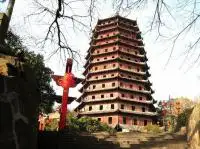
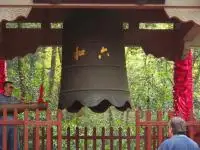
Viewed from a distance, this multi-eaved pagoda architecture appears layered—bright on the upper surface and dark underneath. This is a classic technique in traditional Chinese brick-and-wood structure design to create a striking visual contrast against the sky. Since there are a total 104 bells hanging on the rake angles of the eaves of the pagoda, you can enjoy the crispy and melodious sound of the bells while a gentle wind blows over.
The Interior of Liuhe Pagoda
The pagoda is built with a unique double-wall system. A zigzagging corridor runs between the thick exterior and interior walls, leading to a small central chamber on each floor. As you ascend the pagoda with the spiral staircase, you’ll pass by nearly 200 sites of original Song Dynasty brick carvings, which are considered artistic treasures depicting pomegranates, lotuses, and lions.
Literary Connections
This Hangzhou historical site is also legendary in
Chinese literature. Fans of the classic novel Water Margin (水浒传) will know it as the place where the hero Lu Zhishen heard the tidal bore and passed away and where Wu Song became a monk.
Best Things to Do at Six Harmonies Pagoda
Visiting Six Harmony Pagoda in Hangzhou is more than just a quick photo stop. Here are the best ways to experience it.
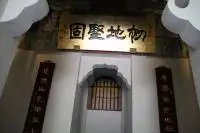
Climb to the Top for the Ultimate Qiantang River View
It is the main event. The narrow spiral staircase leads you to the seventh story, where you are rewarded with an unparalleled view of the mighty Qiantang River. You can see the entire span of the Qiantang River Bridge, a double-decked marvel with a railway below and a highway above. Watching massive ships sail beneath you while trains rumble across is a sight you won’t forget during your
Hangzhou travel.
Frame the Perfect Hangzhou Skyline View
It’s a perfect chance for photography enthusiasts using the ancient arched windows on each floor as natural frames for different photos. The second and third floors are classic filming locations that perfectly capture the contrast between the ancient structure and the modern scenery beyond.
Catch the Sunset at Six Harmonies Pagoda
For photographers and romantics, sunset is a magic hour. In autumn, the warm light washes over the red wooden eaves, and the Qiantang River turns into a ribbon of gold. It’s a serene experience that contrasts sharply with the crowds often found at Liuhe Pagoda in Hangzhou.
Explore the Ancient Pagodas Exhibition Garden
Hidden within the scenic area is a “miniature pagoda forest.” You'll see 1:10 scale replicas of over 100 famous pagodas, including the
Big Wild Goose Pagoda in Xi’an and the White Dagoba in Beijing.
Best Time to Visit Liuhe Pagoda in Hangzhou
While the pagoda is beautiful year-round, timing your visit can enhance your experience.
During spring (March-May) and
autumn (September-November), Liuhe Pagoda offers the most comfortable temperatures and clearest skies for viewing the Hangzhou skyline view from the top.
If you want to witness the world-famous Qiantang River Tide, you plan your Hangzhou tour around the 18th day of the eighth lunar month (usually in September). Watching the “silver dragon” of the tide surge up the river from the pagoda’s height is a spectacular natural phenomenon.
How to Get to Liuhe Pagoda in Hangzhou
Is Liuhe Pagoda near
West Lake? It is located south of West Lake, and while it is not within walking distance of the lake’s center, it is very accessible and often included in comprehensive tours of Hangzhou.
You can reach here by metro or bus. Take Metro Line 4 to Shuichengqiao Station (水澄桥站), Exit B. From there, you can transfer to bus No. 39, 308, or 314 for a short 2-3 stop ride to the “Liuhe Pagoda” stop.
Explore Hangzhou’s Heritage with Easy Tour China
Standing within the Liuhe Pagoda, it is more than just a stop on a sightseeing list but a journey into the heart of Chinese engineering, spirituality, and natural beauty. To truly understand the layers of this beautiful city, from the bustling energy of
Qinghefang Street to the vibrant
Longjing tea plantation, just let Easy Tour China handle the details while you immerse yourself in Hangzhou’s history. Here are some recommended Hangzhou itineraries.